

Collectibles have long captivated the human imagination, from ancient coins and stamps to modern-day comic books and trading cards. But beyond their intrinsic appeal and nostalgic value, collectibles have emerged as a legitimate asset class, attracting the attention of seasoned investors and casual enthusiasts alike. This comprehensive guide delves into the world of collectible investing, exploring its nuances, potential rewards, and inherent risks.
Understanding Investing in Collectibles
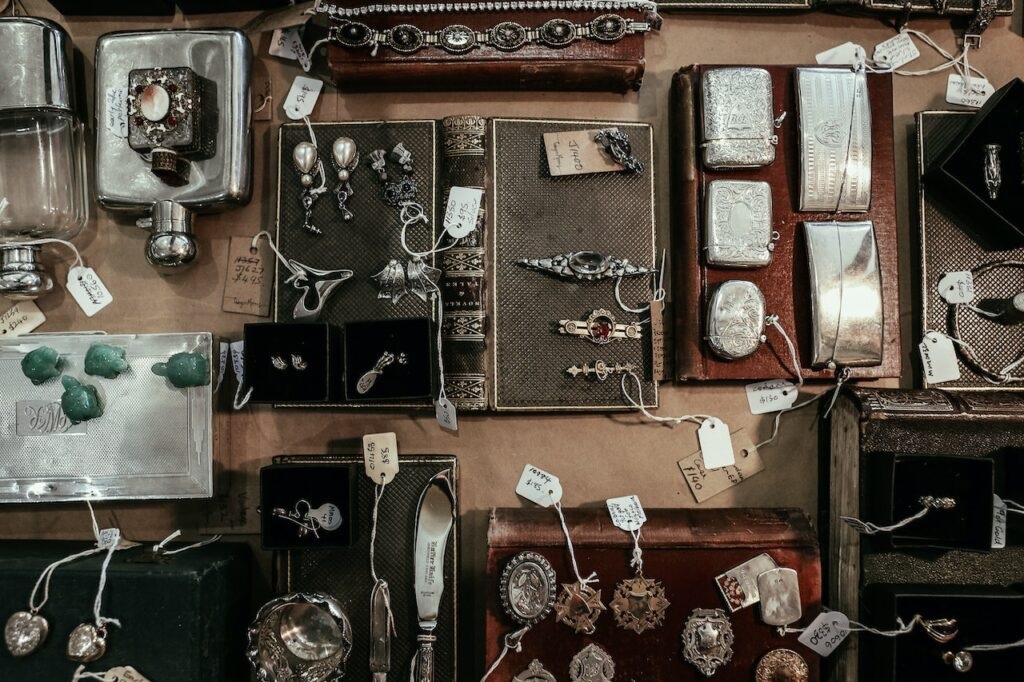
Unlike traditional assets like stocks and bonds, collectibles derive their value from their rarity, historical significance, and cultural relevance. Their worth is often subjective, influenced by factors such as condition, provenance, and market demand. This inherent subjectivity makes collectible investing a unique and often volatile endeavor, requiring a distinct approach and understanding.
Popular Collectible Categories
The world of collectibles is vast and diverse, encompassing a wide array of items that cater to various interests and passions. Some of the most popular categories include:
Fine Art:
Paintings, sculptures, and other forms of visual art have long been considered valuable investments, with works by renowned artists fetching astronomical prices at auctions.
Rare Coins and Stamps:
Numismatics and philately, the study and collection of coins and stamps, respectively, offer a glimpse into history and artistry. Rare coins and stamps, especially those in pristine condition, can command significant premiums.
Vintage and Antique Furniture:
Pieces from bygone eras, especially those with unique designs or historical significance, can appreciate in value over time, adding a touch of elegance and sophistication to any collection.
Classic Cars:
Automobiles from a certain era, known for their iconic designs, performance, or rarity, have become highly sought-after collectibles, with some models appreciating significantly in value.
Sports Memorabilia:
Items associated with legendary athletes or historic sporting events, such as signed jerseys, game-worn equipment, and championship trophies, hold immense appeal for sports enthusiasts and collectors.
Trading Cards:
Cards featuring athletes, characters, or other figures, especially those in limited production or with unique attributes, have become a popular investment option, with some cards reaching record-breaking prices.
Comic Books:
Vintage comic books, particularly those featuring iconic superheroes or key storylines, have seen a surge in popularity and value, attracting collectors and investors alike.
Rare Books and Manuscripts:
First editions, signed copies, and historically significant documents can command substantial prices, appealing to bibliophiles and history buffs.
Watches:
Timepieces from renowned brands, especially limited editions or those with unique complications, have become coveted collectibles, combining functionality with artistry.
Wine:
Fine wines, particularly those from prestigious vineyards or with exceptional vintages, can appreciate in value over time, offering both investment potential and sensory pleasure.
Factors Driving Collectible Value
Several factors contribute to the value of collectibles, including:
- Rarity: The scarcity of an item plays a crucial role in determining its value. Limited production runs, unique attributes, or historical significance can all contribute to rarity.
- Condition: The condition of a collectible is paramount, with pristine or well-preserved items commanding higher prices than those with damage or wear.
- Authenticity: Verifying the authenticity of a collectible is essential, as fakes and replicas can flood the market, diminishing the value of genuine items.
- Provenance: The history of ownership, or provenance, can add to the value of a collectible, especially if it has been associated with notable figures or events.
- Market Demand: The level of interest and demand from collectors and investors ultimately drives the price of a collectible, with popular items commanding higher prices.
- Cultural Relevance: Items associated with significant cultural movements, historical events, or iconic figures tend to hold their value and appreciate over time.
Advantages of Investing in Collectibles
Investing in collectibles offers several potential advantages:
- Tangible Assets: Unlike stocks or bonds, collectibles are tangible assets that you can physically own and appreciate.
- Potential for High Returns: Certain collectibles have demonstrated significant appreciation in value over time, offering the potential for substantial returns on investment.
- Inflation Hedge: Collectibles can act as a hedge against inflation, as their value tends to rise along with the cost of goods and services.
- Portfolio Diversification: Adding collectibles to a traditional investment portfolio can provide diversification, reducing overall risk.
- Personal Enjoyment: Collecting items that align with your interests and passions can bring personal satisfaction and enjoyment beyond financial gains.
Risks and Challenges of Collectible Investing
While collectible investing offers potential rewards, it also comes with inherent risks and challenges:
- Market Volatility: The value of collectibles can fluctuate significantly, influenced by market trends, economic conditions, and collector sentiment.
- Liquidity Risk: Selling collectibles can take time and effort, as finding the right buyer at the desired price may not be immediate.
- Storage and Maintenance: Collectibles often require specialized storage and maintenance to preserve their condition and value.
- Valuation Challenges: Determining the fair market value of collectibles can be subjective and challenging, requiring expertise and research.
- Fraud and Forgery: The collectibles market is susceptible to fraud and forgery, requiring due diligence and authentication to avoid costly mistakes.
Strategies for Successful Collectible Investing
To navigate the complexities of collectible investing, consider the following strategies:
- Focus on Your Passion: Invest in collectibles that genuinely interest you, as your knowledge and enthusiasm will enhance your decision-making.
- Conduct Thorough Research: Learn about the history, rarity, and market trends of the collectibles you are considering, utilizing resources like price guides, auction records, and expert opinions.
- Buy Quality: Prioritize items in excellent condition with verifiable authenticity, as these tend to hold their value and appreciate over time.
- Be Patient: Collectible investing is a long-term game, requiring patience and discipline to realize significant returns.
- Diversify Your Collection: Spread your investment across different categories or items to mitigate risk and capitalize on various market trends.
- Network with Experts: Connect with dealers, appraisers, and fellow collectors to gain insights, expand your knowledge, and access valuable resources.
- Consider Professional Advice: Seek guidance from financial advisors or collectible specialists to develop a sound investment strategy tailored to your goals and risk tolerance.
Reviews of Collectible Investing Platforms
Several online platforms cater to collectible investors, offering a range of services and resources. Here are reviews of some popular options:
- Rally Rd.: This platform allows fractional ownership of high-value collectibles, making investing more accessible to a wider audience.
- Otis: Similar to Rally Rd., Otis offers fractional shares in collectibles, along with features like trading and portfolio management tools.
- Collectable: This platform focuses on sports memorabilia, offering fractional ownership and a marketplace for buying and selling.
- Mythic Markets: Mythic Markets specializes in pop culture collectibles, such as comic books, trading cards, and movie props.
Frequently Asked Questions (FAQ) about Collectible Investing
Q: How do I determine the value of a collectible?
A: Several resources can help you determine the value of a collectible, including price guides, auction records, online marketplaces, and expert appraisals.
Q: How do I authenticate a collectible?
A: Authentication can involve various methods, such as examining the item for specific markings or characteristics, consulting with experts, or obtaining certificates of authenticity from reputable organizations.
Q: How do I store and maintain collectibles?
A: Proper storage and maintenance depend on the type of collectible. Generally, it involves protecting items from damage, such as moisture, light, and pests, and handling them with care.
Q: How do I sell a collectible?
A: You can sell collectibles through various channels, including online marketplaces, auction houses, consignment shops, and direct sales to collectors.
Q: Is collectible investing right for me?
A: Collectible investing can be a rewarding but risky endeavor. Consider your financial goals, risk tolerance, and passion for collectibles before making any investment decisions.
Conclusion
Investing in collectibles can be a captivating and potentially lucrative venture, offering a unique blend of financial opportunity and personal passion. My Stocks Portfolio & Market Apps: A Deep Dive into the Best Investment Tools. By understanding the nuances of this asset class, conducting thorough research, and employing sound investment strategies, you can navigate the world of collectible investing and potentially reap its rewards. Remember, collectible investing is a journey, not a sprint, requiring patience, discipline, and a genuine appreciation for the items you acquire.
Read More:
Private Lending for Passive Income
5 Top Investors Who Profited From The Global Financial Crisis
Guide to Investing for Early Retirement (FIRE Movement)