• Stock Market Basics

    How to Set Realistic Return Expectations

    Every investor hopes to earn strong returns, yet unrealistic expectations often lead to poor financial decisions. Studies show that long term stock market returns have historically averaged around 10% annually before inflation, although yearly results vary significantly. Additionally, many retail investors underperform the broader market because emotional decisions influence their strategies. Therefore, learning how to set realistic return expectations helps you build confidence, reduce stress, and stay committed to your financial goals.


  • Stock Market Basics

    How to Start Investing in Stocks as a Beginner in 2026

    The world of stock investing can feel overwhelming for beginners, but 2026 presents a unique opportunity to build wealth through the stock market. With global equity markets projected to reach new heights, now is the perfect time to start your investment journey. According to a report by Goldman Sachs, retail investors are increasingly entering the market, driven by accessible platforms and educational resources. However, success in stock investing requires more than just luck—it demands knowledge, strategy, and discipline. This stock investing guide will walk you through the essentials, from understanding stock market basics to executing your first trade. Whether you’re…

  • Stock Market Basics

    What Is the Difference Between a Whole Share and a Fractional Share?

    Investing in the stock market has changed a lot over the years. Today, more people than ever can start investing with small amounts of money. A 2025 report shows that over 60 percent of new investors are under 35 years old. This shift is partly due to the rise of fractional shares, which allow investors to buy a portion of a single share. Understanding the difference between whole shares and fractional shares is key for anyone looking to build wealth through the stock market.

  • Stock Market Basics

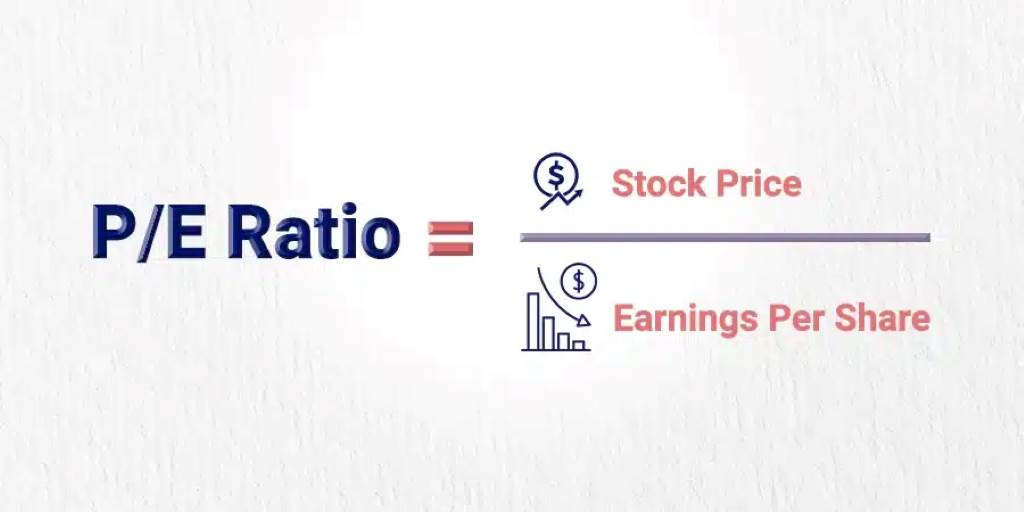
    How To Understand P E Ratio Without Jargon

    Many beginners avoid stock investing because financial terms sound confusing and technical. However, the P E ratio is much easier to understand than most people think. According to data from Gallup, nearly 62% of Americans own stocks in some form, yet many still struggle with basic valuation concepts. At the same time, research from FINRA shows that financial literacy remains low among retail investors. That is why learning how to understand P E ratio without jargon can help you make smarter investment choices with more confidence and less stress.

  • Stock Market Basics

    How To Explain a Stock Split to New Investors

    Many beginner investors feel confused when they hear about a stock split for the first time. The term sounds technical, yet the concept is surprisingly simple when explained clearly. According to reports from major financial platforms, companies like Apple and Tesla gained huge investor attention after announcing stock splits in recent years. In fact, retail trading activity often rises sharply after split announcements because lower share prices appear more affordable to new buyers. This guide on how to explain a stock split to new investors breaks down the topic in a simple and practical way so anyone can understand it…

  • Stock Market Basics

    Using the Stock Market Tools is Good or Bad? A Complete Guide for Smart Investors

    Millions of Americans use stock market tools every day to analyze trends, monitor investments, and make faster financial decisions. However, many people still ask one important question: Is using the stock market tools good or bad? The answer depends on how investors use those tools. According to the Financial Industry Regulatory Authority, retail investing activity has increased significantly in recent years because online trading platforms and analysis tools have become easier to access. At the same time, research from the U.S. Securities and Exchange Commission shows that emotional trading and poor risk management remain major causes of investor losses. Therefore,…

  • Stock Market Basics

    What Are the Main Problems of Stock Market in 2026

    The stock market in 2026 looks powerful on the surface, yet deep cracks continue to worry investors, economists, and financial institutions across the United States. Markets move faster than ever before, while artificial intelligence, inflation concerns, geopolitical tensions, and unstable economic growth create uncertainty almost every day. According to data from the International Monetary Fund, global growth remains below long-term averages, which continues to pressure equity markets and corporate earnings expectations. At the same time, research from the Federal Reserve shows that elevated interest rates still affect borrowing, spending, and investment decisions.