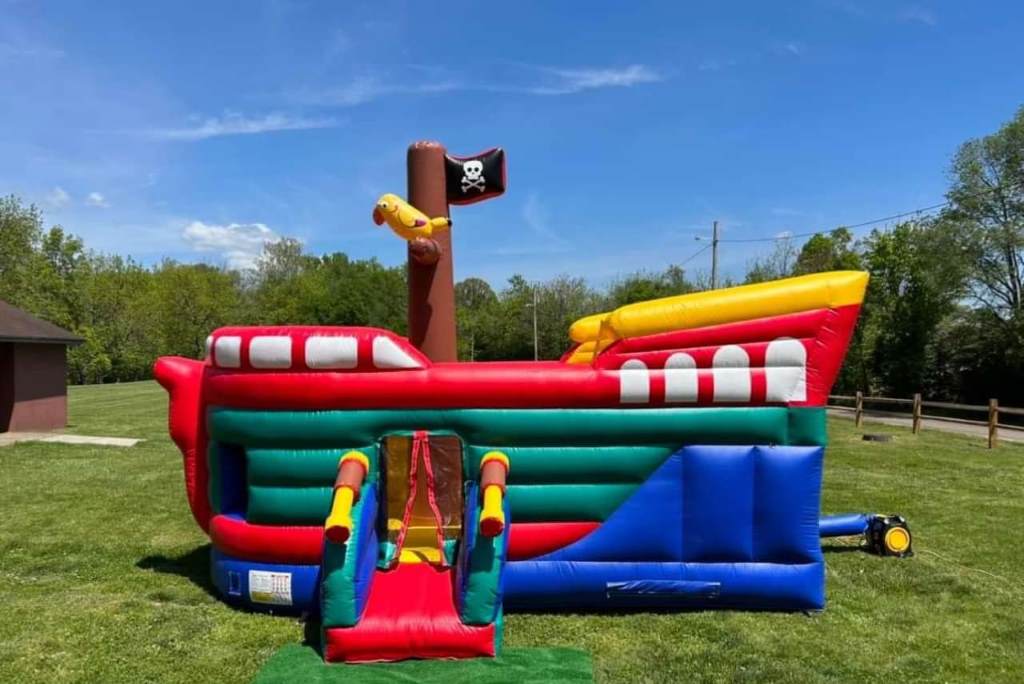
Starting a bounce house business sparks joy for kids and profits for entrepreneurs. Picture vibrant inflatable bounce houses at birthday parties, festivals, and community events. You’re not just renting equipment; you’re creating unforgettable memories. This industry thrives on fun, but success demands planning, strategy, and hustle. According to the U.S. Small Business Administration, over 50% of small businesses fail within five years due to poor planning. Yet, the party rental industry grows steadily, with a market size of $5.7 billion in 2023, per IBISWorld. Ready to jump in? This guide walks you through every step to launch a thriving bounce house rental business.
Why Start a Bounce House Business?
The bounce house rental industry offers low entry barriers and high demand. Families, event planners, and schools need inflatables for parties, fairs, and fundraisers. You set your hours, scale at your pace, and tap into a lively market. Parents spend big on kids’ entertainment, and commercial bounce houses deliver. Plus, repeat customers and word-of-mouth referrals fuel growth. Let’s explore how to turn this opportunity into a profitable venture.
Step 1: Research the Market
Before investing, understand your local market. Market analysis reveals demand, competition, and customer needs. Start with these steps:
- Identify Your Audience: Target families, schools, churches, and event planners. Check local demographics for young families.
- Analyze Competitors: Visit websites of businesses like Jumping Joe’s Bounce House Rentals. Note their pricing, services, and marketing.
- Assess Market Demand: Search for local events needing inflatables, like festivals or school carnivals. Use tools like Google Trends to track interest in bounce houses and water slides.
- Explore Niches: Consider wet or dry inflatables, hybrid inflatables, or licensed themed bounce houses for unique offerings.
Research shows 60% of bounce house rentals come from repeat customers, per industry reports. Know your market to stand out.
Step 2: Create a Solid Business Plan
A business plan guides your journey. It outlines goals, strategies, and financial projections. Here’s what to include:
- Executive Summary: Summarize your vision for the bounce house rental business.
- Market Analysis: Detail findings from your research.
- Services Offered: List bounce houses, obstacle courses, water slides, dunk tanks, or snow cone machines.
- Marketing Strategy: Plan social media marketing, local SEO strategies, and event planner partnerships.
- Financial Projections: Estimate startup costs, revenue, and profits. Use financial modeling software for accuracy.
- Operational Procedures: Define delivery schedules, setup processes, and customer service protocols.
A clear plan reduces risks and attracts investors if needed.
Step 3: Understand Legal Requirements
Legal steps protect your business and customers. Follow these essentials:
- Business Licensing: Register your business with local authorities. Check state-specific requirements.
- Liability Insurance: Secure coverage for accidents or damages. Most rentals require $1 million in general liability insurance.
- Waiver Forms: Create forms for customers to sign, reducing liability for injuries.
- Safety Protocols: Follow ASTM International standards for inflatable safety. Train staff on setup and operation.
- Legal Advisor: Consult an attorney for contracts and compliance.
Neglecting legal requirements risks fines or lawsuits. Stay compliant to build trust.
Step 4: Choose Quality Equipment
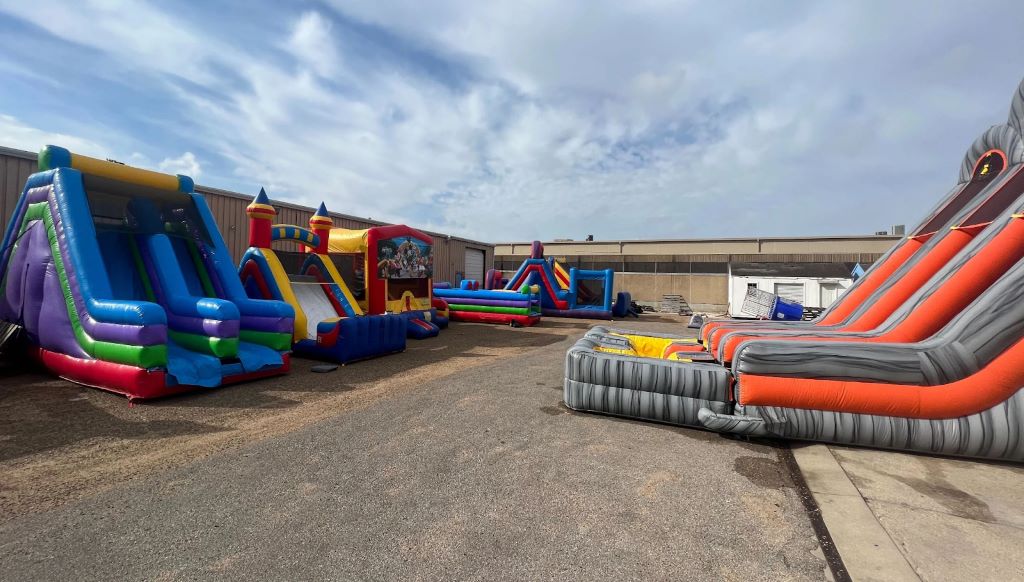
Your inventory defines your business. Invest in commercial-grade inflatables for durability and safety. Consider these options:
- Residential Bounce Houses: Affordable but less durable. Ideal for small events.
- Commercial Bounce Houses: Built for heavy use. Choose vinyl-coated materials for longevity.
- Wet/Dry Bounce House Slide Combos: Versatile for summer and winter rentals.
- Inflatable Interactive Games: Add obstacle courses or mechanical bulls for variety.
- Blowers and Inflation Equipment: Ensure reliable, high-powered blowers for quick setup.
Brands like Magic Jump offer durable products. Start with 2–3 units and expand based on demand.
Step 5: Set Up Operations
Smooth operations keep customers happy. Focus on these areas:
- Inventory Management: Track equipment condition and availability. Use software for efficiency.
- Booking and Scheduling System: Implement an online booking platform for convenience.
- Delivery Schedule: Plan routes to save time and transportation costs.
- Customer Relationship Management: Use CRM tools to follow up with clients and build loyalty.
A strong system ensures timely deliveries and repeat business.
Step 6: Build a Marketing Plan
Marketing drives bookings. Use a mix of strategies to reach customers:
- Social Media Marketing: Post vibrant photos of bounce houses on Instagram and Facebook. Share customer testimonials.
- Local SEO Strategies: Optimize your website for terms like “bounce house rental near me.” Claim your Google Business Profile.
- Marketing Budget: Allocate funds for ads, flyers, and website development.
- Event Planner Partnerships: Network with local planners for referrals.
- Customer Service: Respond to customer requests promptly to build trust.
A study by HubSpot found 80% of customers trust businesses with active social media. Stay visible to grow your inflatable rental empire.
Step 7: Manage Finances
Sound financial management ensures profitability. Follow these tips:
- Track Expenses: Monitor transportation costs, marketing expenses, and legal fees.
- Set Competitive Pricing: Research competitors like Jumping Joe’s Bounce House Rentals. Offer packages for combos like bounce houses and tables or chairs.
- Use Software: Tools like QuickBooks simplify bookkeeping.
- Plan for Growth: Reinvest profits to expand inventory or hire staff.
Accurate financial tracking prevents cash flow issues.
Step 8: Prioritize Safety and Maintenance
Safety builds trust and prevents accidents. Implement these practices:
- Regular Inspections: Check inflatables for tears or wear. Clean after each use.
- Safety Protocols: Train staff on proper setup and anchoring. Use stakes or sandbags for stability.
- Customer Education: Provide clear instructions on safe use, like limiting the number of children.
ASTM reports 20,000 injuries annually from inflatables, often due to poor setup. Prioritize safety to protect your business.
Step 9: Scale Your Business
Once established, grow your bounce house empire. Try these strategies:
- Add Inventory: Include dunk tanks, snow cone machines, or mechanical bulls.
- Expand Services: Offer party planning or themed events with characters like Clarabell the Clown.
- Hire Staff: Train employees for deliveries and setups.
- Explore New Markets: Target nearby cities or corporate events.
Scaling strategically boosts revenue and market share.
Conclusion
Starting a bounce house business blends fun with opportunity. Research your market, create a solid plan, and invest in quality inflatables. Stay legal, prioritize safety, and market smartly. With dedication, your inflatable rental industry venture thrives. Ready to jump in? Create your business plan today and start building your empire.
FAQs
How much capital do I need to start a bounce house business?
You need funds for equipment, insurance, and marketing. Commercial bounce houses cost $1,000–$5,000 each. Budget for at least two units, insurance, and a website.
What types of inflatables should I offer?
Start with commercial bounce houses and wet/dry slide combos. Add obstacle courses or dunk tanks based on demand.
How do I attract customers to my bounce house business?
Use social media, local SEO, and partnerships with event planners. Offer excellent customer service to gain referrals.
Are there legal risks in the bounce house industry?
Yes, accidents can lead to lawsuits. Secure liability insurance and use waiver forms to reduce risks.
How do I maintain bounce houses?
Inspect regularly for damage. Clean after each use with mild soap. Store in a dry, cool place to prevent mold.
References
- U.S. Small Business Administration: https://www.sba.gov
- IBISWorld Party Rental Industry Report: https://www.ibisworld.com
- ASTM International Inflatable Safety Standards: https://www.astm.org
- HubSpot Customer Trust Study: https://www.hubspot.com