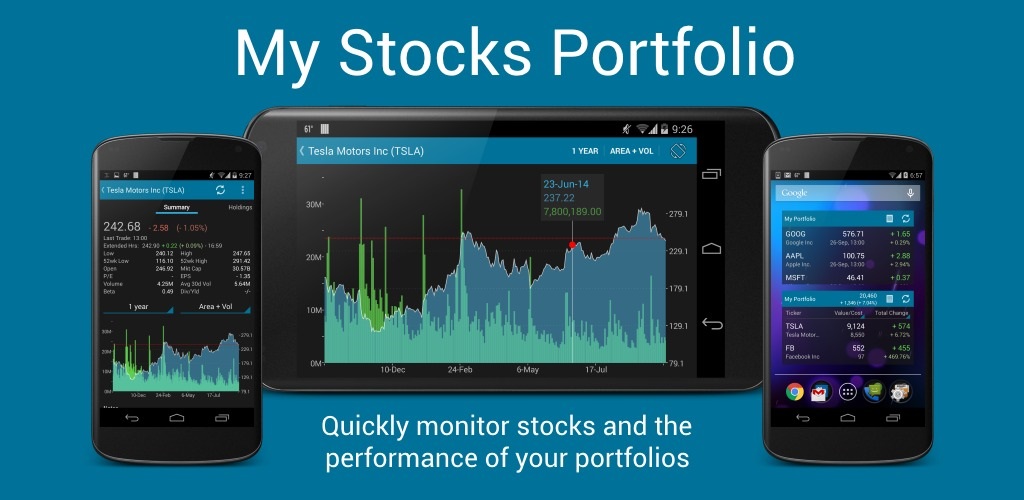

The stock market can seem like a daunting, complex world, full of jargon and risk. But beneath the surface lies a powerful engine for wealth creation and financial freedom. This comprehensive guide breaks down the basics of the stock market, offering clear explanations, practical advice, and answers to frequently asked questions. Whether you’re a complete novice or looking to brush up on your knowledge, this article will equip you with the foundational understanding needed to navigate the exciting world of stock market investing.
What is the Stock Market?

Imagine a bustling marketplace where buyers and sellers come together to trade pieces of ownership in companies. This, in essence, is the stock market. More formally, it’s a network of exchanges where shares of publicly listed companies are bought and sold. When you buy a share of stock, you become a part-owner of that company, entitled to a portion of its profits and voting rights on certain corporate matters.
These exchanges, such as the New York Stock Exchange (NYSE) or the Nasdaq, facilitate the trading process, connecting buyers and sellers and ensuring fair and orderly transactions. The prices of stocks fluctuate constantly based on a multitude of factors, including company performance, economic conditions, and investor sentiment. This dynamic environment creates opportunities for investors to profit by buying low and selling high.
Key Concepts for Beginners
Before diving into the intricacies of investing, it’s crucial to grasp some fundamental concepts:
- Stocks: Also known as equities or shares, represent ownership in a company. Companies issue stock to raise capital for growth and operations.
- Shares: Individual units of ownership in a company.
- Dividends: A portion of a company’s profits distributed to shareholders.
- Market Capitalization: The total value of a company’s outstanding shares, calculated by multiplying the current share price by the number of shares.
- Stock Indices: Averages that track the performance of a group of stocks, such as the S&P 500 or the Dow Jones Industrial Average.
- Volatility: A measure of how much a stock’s price fluctuates.
- Liquidity: How easily a stock can be bought or sold without affecting its price.
How Does the Stock Market Work?
The stock market operates on the basic principles of supply and demand. When demand for a stock exceeds supply, its price goes up. Conversely, when supply exceeds demand, the price falls. But what drives this supply and demand?
A myriad of factors influence investor behavior and, consequently, stock prices. Company earnings reports, economic data releases, news events, and even social media trends can all impact market sentiment. Understanding these drivers is key to making informed investment decisions.
The actual trading process is facilitated by brokers, who act as intermediaries between buyers and sellers. In today’s digital age, most investors use online brokerage platforms to place orders and manage their portfolios. These platforms provide access to real-time market data, research tools, and educational resources.
Types of Stock Market Investments
The stock market offers a diverse range of investment options to suit different needs and risk tolerances:
- Individual Stocks: Buying shares of specific companies allows you to directly participate in their growth potential. However, this also carries higher risk as your investment is concentrated in a single entity.
- Mutual Funds: Pooled investment vehicles that invest in a diversified portfolio of stocks, bonds, or other assets. Mutual funds offer instant diversification and professional management but come with fees and may have limitations on trading flexibility.
- Exchange-Traded Funds (ETFs): Similar to mutual funds, ETFs track a specific index or sector. They trade on exchanges like stocks, offering greater liquidity and lower fees than traditional mutual funds.
- Bonds: Represent debt obligations issued by companies or governments. Bonds generally offer lower returns than stocks but are considered less risky.
Pros and Cons of Stock Market Investing
Investing in the stock market offers significant potential rewards but also comes with inherent risks. It’s crucial to weigh the pros and cons carefully before making any investment decisions.
Pros:
- Potential for High Returns: Historically, the stock market has delivered higher returns than other asset classes over the long term.
- Wealth Building: Investing in stocks allows you to participate in the growth of the economy and build wealth over time.
- Liquidity: Most stocks are highly liquid, meaning you can easily buy and sell them.
- Accessibility: Online brokerage platforms have made investing accessible to everyone, regardless of experience or capital.
- Diversification: Investing in a variety of stocks can help reduce risk.
Cons:
- Volatility: Stock prices can fluctuate significantly, leading to potential losses.
- Risk of Loss: There’s no guarantee of returns in the stock market, and you could lose some or all of your investment.
- Emotional Investing: Fear and greed can lead to impulsive decisions that harm your portfolio.
- Time Commitment: Successful investing requires research, monitoring, and staying informed about market trends.
- Complexity: The stock market can be complex and overwhelming for beginners.
Stock Market Reviews: What Experts Say
Financial experts generally agree that the stock market remains a powerful tool for long-term wealth creation. Despite its inherent volatility, history has shown that the market tends to trend upwards over time.
Renowned investor Warren Buffett famously advocates for a long-term, value-oriented approach, emphasizing the importance of investing in quality companies with strong fundamentals. Other experts highlight the benefits of diversification and maintaining a disciplined investment strategy.
However, experts also caution against speculative trading and chasing short-term gains. They emphasize the importance of understanding your risk tolerance and investing within your means.
FAQ: Your Stock Market Questions Answered
-
How do I get started investing in the stock market?
Begin by educating yourself about investing basics and researching different brokerage options. Choose a platform that aligns with your needs and offers educational resources and customer support. Start with a small amount of capital and gradually increase your investment as you gain experience.
-
How do I choose which stocks to invest in?
There are numerous approaches to stock selection, including fundamental analysis (evaluating a company’s financial health) and technical analysis (studying price charts and patterns). Consider your investment goals, risk tolerance, and time horizon when making investment decisions.
-
What is a diversified portfolio?
Diversification involves spreading your investments across different asset classes, sectors, and geographic regions. This strategy helps to reduce risk by minimizing the impact of any single investment’s performance on your overall portfolio.
-
How can I manage risk in the stock market?
Risk management is crucial for long-term success. Diversification, investing for the long term, and avoiding emotional decision-making are key risk management strategies. Consider setting stop-loss orders to limit potential losses and rebalance your portfolio periodically.
-
Where can I find reliable information about the stock market?
Reputable financial news websites, company filings (SEC Edgar database), and investment research platforms provide valuable insights. Seek advice from qualified financial advisors if needed.
-
What are some common stock market mistakes to avoid?
- Panic selling during market downturns: Reacting emotionally to market fluctuations can lead to significant losses.
- Chasing short-term gains: Focus on long-term investment goals rather than trying to time the market.
- Ignoring fees and expenses: High fees can erode your returns over time.
- Overtrading: Excessive buying and selling can generate transaction costs and lead to poor decision-making.
- Not diversifying your portfolio: Concentrating your investments in a few stocks increases your risk.
Beyond the Basics: Advanced Concepts
Once you have a firm grasp of the fundamentals, you can explore more advanced stock market concepts:
- Fundamental Analysis: Involves evaluating a company’s financial statements, management team, competitive landscape, and industry trends to determine its intrinsic value.
- Technical Analysis: Uses price charts and technical indicators to identify trends and predict future price movements.
- Options Trading: Contracts that give you the right, but not the obligation, to buy or sell a stock at a specific price within a certain timeframe. Options can be used for hedging or speculation.
- Futures Contracts: Agreements to buy or sell an asset at a predetermined price and date in the future. Futures are often used by institutional investors and traders.
The Importance of Continuous Learning
The stock market is a dynamic and ever-evolving landscape. Successful investors commit to lifelong learning, staying abreast of market trends, economic developments, and investment strategies. Utilize online resources, attend seminars, and engage with other investors to expand your knowledge and refine your approach.
Conclusion: Embracing the Journey
Investing in the stock market can be a rewarding journey towards financial independence. By understanding the basics, developing a sound investment strategy, and maintaining a long-term perspective, you can navigate the complexities of the market and achieve your financial goals. Remember, patience, discipline, and continuous learning are your allies in this exciting endeavor.