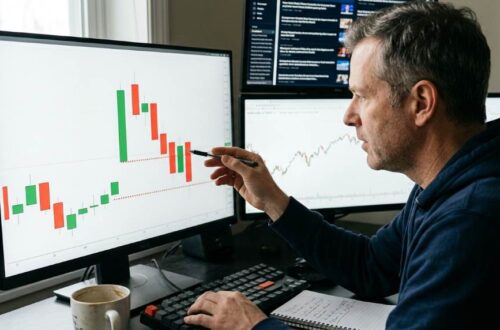

Day trading attracts many with the promise of quick profits and financial freedom. Yet, studies show that nearly 97% of day traders end up losing money over time. This shocking statistic highlights the harsh reality of a field where most participants fail to achieve consistent success. The allure of fast gains often overshadows the risks, leaving many traders unprepared for the challenges ahead.
The Psychology Behind Trading Failures
Emotions play a significant role in trading decisions. Fear and greed can cloud judgment, leading traders to deviate from their strategies. Many traders enter the market with unrealistic expectations, believing they can outsmart the system without proper preparation. This overconfidence often results in impulsive trades and significant losses.
Another psychological factor is the fear of missing out, or FOMO. Traders may jump into a trade because others are doing so, without conducting their own analysis. This herd mentality can lead to buying at the top of a trend and selling at the bottom, the opposite of what successful trading requires.
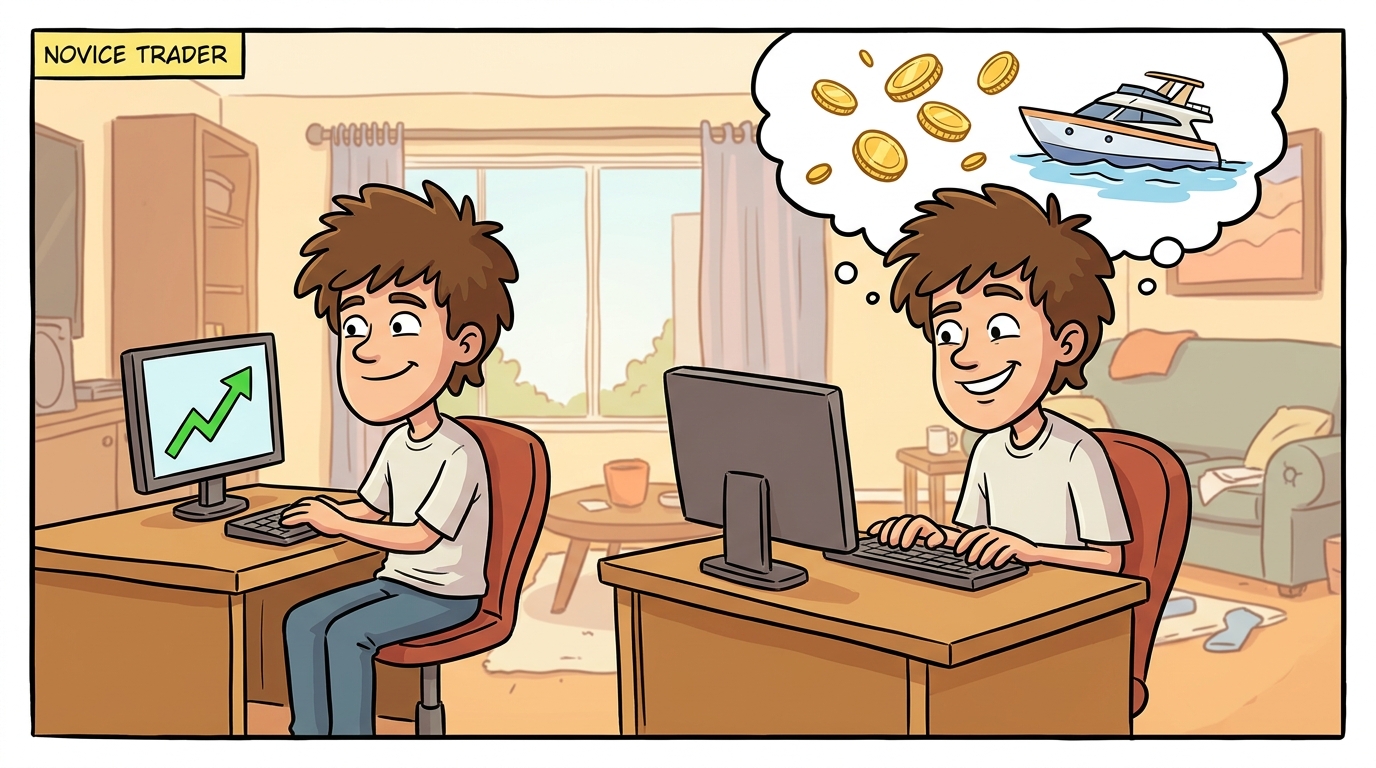
Additionally, the stress of trading can lead to emotional burnout. The constant pressure to make quick decisions can overwhelm even the most disciplined traders. Without a clear plan, traders may find themselves making reactive decisions that harm their portfolios.
Lack of a Solid Trading Plan
A trading plan acts as a roadmap, guiding traders through the complexities of the market. Without one, traders are essentially navigating blindfolded. A good plan includes entry and exit strategies, risk management rules, and clear goals. It also outlines how to handle losses and when to take profits.
Many traders skip this step, relying instead on intuition or tips from others. This approach rarely works in the long run. A well-defined plan helps traders stay focused and avoid impulsive decisions. It also provides a framework for evaluating performance and making necessary adjustments.
For example, setting a stop loss placement is a critical component of any trading plan. Without it, traders risk losing more than they can afford. A stop loss helps limit losses and protects capital, ensuring that traders can continue to trade another day.
Poor Risk Management
Risk management is the cornerstone of successful trading. Many traders focus solely on potential rewards, ignoring the risks involved. This imbalance often leads to catastrophic losses. Effective risk management involves setting stop losses, diversifying trades, and never risking more than a small percentage of capital on a single trade.
One common mistake is overleveraging. Using too much leverage can amplify gains, but it can also magnify losses. Traders who use excessive leverage often find themselves in a position where a small move against them can wipe out their entire account. This is a leading cause of failure among day traders.
Another aspect of risk management is position sizing. Traders should determine the size of each position based on their account size and risk tolerance. By keeping positions small relative to their account, traders can withstand a series of losses without depleting their capital.
Inadequate Knowledge and Skills
Day trading requires a deep understanding of market mechanics, technical analysis, and economic indicators. Many traders enter the market with little to no knowledge, believing they can learn as they go. This approach is akin to gambling, where the odds are stacked against them.
Successful traders invest time in education and practice. They study charts, learn about different indicators, and understand how news events can impact the market. Without this knowledge, traders are likely to make poor decisions based on incomplete information.
Additionally, traders must stay updated on market trends and economic developments. The financial markets are dynamic, and what worked yesterday may not work today. Continuous learning is essential for long-term success in day trading.
Overtrading and Chasing Losses
Overtrading is a common pitfall for many day traders. The desire to be in the market at all times can lead to excessive trading, which often results in higher transaction costs and increased losses. Traders may also chase losses, trying to recover their money by making more trades, which only compounds their problems.
This behavior is often driven by emotions rather than logic. Traders who experience a losing streak may feel the need to trade more frequently to make up for their losses. However, this approach rarely works and often leads to further losses.
To avoid overtrading, traders should stick to their trading plan and only take trades that meet their criteria. They should also set daily loss limits and stop trading once those limits are reached. This discipline helps prevent emotional decision-making and preserves capital.
Ignoring Market Conditions
Market conditions can change rapidly, and traders must adapt their strategies accordingly. Some traders stick to a single strategy regardless of market conditions, which can lead to poor performance. For example, a trend-following strategy may work well in a trending market but fail in a range-bound market.
Successful traders monitor market conditions and adjust their strategies as needed. They may switch between different strategies or take a break from trading if conditions are unfavorable. This flexibility is key to navigating the ever-changing financial markets.
Additionally, traders should be aware of major economic events and news releases that can impact the market. These events can cause significant volatility, and traders who are unprepared may find themselves on the wrong side of a trade.
The Impact of Transaction Costs
Transaction costs, such as commissions and spreads, can eat into profits and contribute to losses. Many traders underestimate the impact of these costs, especially when trading frequently. Over time, high transaction costs can significantly reduce overall returns.
To minimize transaction costs, traders should look for brokers with competitive pricing and low spreads. They should also avoid overtrading, as each trade incurs additional costs. By keeping transaction costs low, traders can improve their bottom line and increase their chances of success.
Another way to reduce costs is to focus on quality over quantity. Instead of making numerous small trades, traders should aim for fewer, high-quality trades with a higher probability of success. This approach not only reduces costs but also improves overall performance.
Lack of Discipline and Patience
Discipline and patience are essential traits for successful traders. Many traders struggle with these qualities, leading to impulsive decisions and poor outcomes. Discipline involves sticking to a trading plan, while patience means waiting for the right opportunities to present themselves.
Traders who lack discipline may deviate from their plan, chasing after quick profits or trying to recover losses. This behavior often leads to further losses and emotional distress. Patience, on the other hand, allows traders to wait for high-probability setups and avoid forcing trades.
Developing discipline and patience takes time and practice. Traders should focus on building these qualities through consistent effort and self-awareness. By cultivating these traits, traders can improve their decision-making and increase their chances of success.
Unique Discussion: The Role of Tax Efficiency in Trading
One often overlooked aspect of trading is tax efficiency. Many traders fail to consider the tax implications of their trades, which can significantly impact their overall returns. Understanding tax laws and structuring trades in a tax-efficient manner can help traders keep more of their profits.
For example, traders can use an employee benefit trust to manage their trading income more effectively. This structure can provide tax advantages and help traders optimize their financial situation.
Additionally, traders should be aware of the tax implications of different types of trades and investments. By planning ahead and consulting with a tax professional, traders can minimize their tax liability and maximize their returns. Becoming a tax preparer or working with one can provide valuable insights into tax-efficient trading strategies.
Unique Discussion: The Importance of Focus in Remote Trading
In today’s digital age, many traders operate remotely, often from home or other locations. While this offers flexibility, it also presents unique challenges, such as distractions and lack of focus. Maintaining a productive trading environment is crucial for success.
Traders should create a dedicated workspace free from distractions. They should also establish a routine and stick to it, ensuring they are fully focused during trading hours. Avoiding distractions during remote sessions can help traders stay on top of their game and make better decisions.
Additionally, traders should take regular breaks to recharge and maintain mental clarity. By staying focused and disciplined, traders can improve their performance and achieve better results in the long run.
Practical Tips to Avoid Common Pitfalls
To succeed in day trading, traders must avoid the common pitfalls that lead to losses. Here are some practical tips to help traders improve their chances of success:
- Develop a solid trading plan and stick to it.
- Practice effective risk management, including setting stop losses and managing position sizes.
- Invest in education and continuous learning to stay updated on market trends and strategies.
- Avoid overtrading and chasing losses by setting daily loss limits and sticking to them.
- Monitor market conditions and adapt strategies as needed.
- Minimize transaction costs by choosing brokers with competitive pricing and focusing on quality trades.
- Cultivate discipline and patience to make better trading decisions.
- Consider tax efficiency and consult with a tax professional to optimize financial outcomes.
- Create a productive trading environment free from distractions.
Conclusion
Day trading is a challenging but potentially rewarding endeavor. While the statistics show that 97% of day traders lose money, understanding the reasons behind this high failure rate can help you avoid the same mistakes. By addressing psychological factors, developing a solid trading plan, practicing effective risk management, and continuously improving your skills, you can increase your chances of success.
Remember, success in day trading requires discipline, patience, and a commitment to continuous learning. By staying focused and avoiding common pitfalls, you can navigate the complexities of the market and achieve your trading goals. Start today by evaluating your trading approach and making the necessary adjustments to set yourself up for success.
FAQ
Why do most day traders lose money?
Most day traders lose money due to poor risk management, lack of a solid trading plan, emotional decision-making, and inadequate knowledge and skills.
How can I improve my trading discipline?
Improve your trading discipline by sticking to a trading plan, setting clear goals, and avoiding impulsive decisions based on emotions.
What is the importance of risk management in trading?
Risk management is crucial in trading to limit losses, protect capital, and ensure long-term success by avoiding excessive risk-taking.
How can I minimize transaction costs in day trading?
Minimize transaction costs by choosing brokers with competitive pricing, avoiding overtrading, and focusing on high-quality trades.
What role does psychology play in trading failures?
Psychology plays a significant role in trading failures as emotions like fear, greed, and FOMO can lead to impulsive decisions and poor outcomes.