
The global economy is a complex and ever-changing landscape. Understanding the forces that shape it is crucial for businesses, investors, and policymakers alike. Analyzing global economic trends allows us to anticipate challenges, identify opportunities, and make informed decisions. This comprehensive guide will equip you with the knowledge and tools to navigate the intricacies of the global economic landscape.
What are Global Economic Trends?
Global economic trends are patterns and shifts in the worldwide economy that influence various aspects of our lives, from the prices of goods and services to employment opportunities and investment prospects. These trends are driven by a multitude of factors, including technological advancements, geopolitical events, demographic changes, and environmental concerns.
Why is Analyzing Global Economic Trends Important?
Analyzing global economic trends is essential for several reasons:
- Informed Decision-Making: Businesses can leverage economic insights to make strategic decisions regarding production, pricing, and market expansion. Investors can identify promising investment opportunities and manage risks effectively. Policymakers can design and implement policies that promote economic growth and stability.
- Anticipating Challenges: By understanding economic trends, we can anticipate potential challenges such as recessions, inflation, or supply chain disruptions. This foresight allows us to prepare and mitigate the impact of these challenges.
- Identifying Opportunities: Economic trends can also reveal new opportunities for growth and innovation. For instance, the rise of e-commerce has created numerous opportunities for businesses to reach new customers and expand their operations.
- Global Perspective: Analyzing global economic trends fosters a broader understanding of the interconnectedness of the world economy. This perspective is crucial for navigating an increasingly globalized world.
Key Indicators to Watch
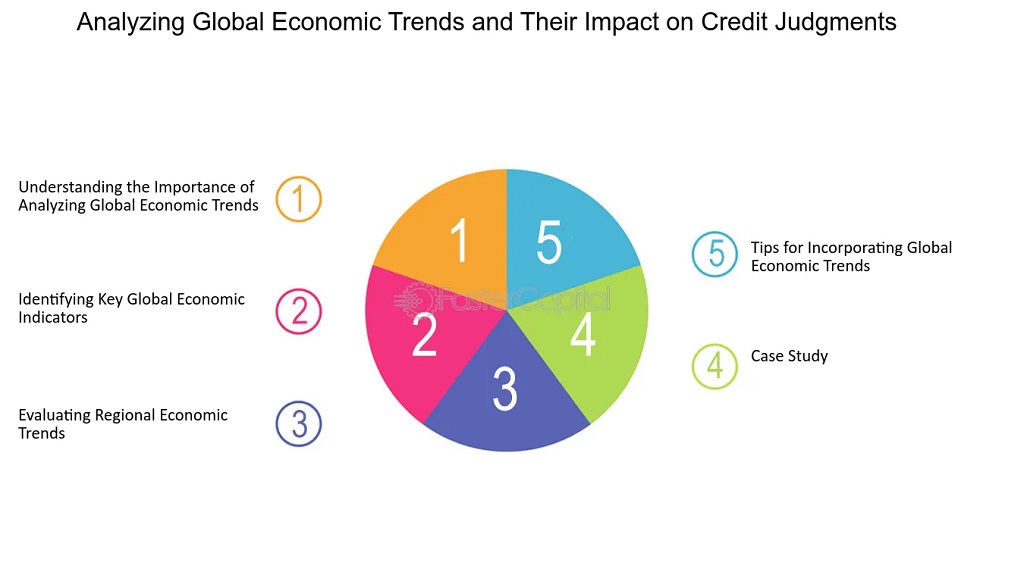
To effectively analyze global economic trends, it is essential to monitor key economic indicators. Demystifying the Stock Market: A Beginner’s Guide to Investing highlights the importance of understanding key economic indicators, as they provide valuable insights into the health and direction of the global economy, helping investors make smarter decisions. Some of the most important indicators include:
- Gross Domestic Product (GDP): GDP measures the total value of goods and services produced within a country’s borders. It is a primary indicator of economic growth.
- Inflation: Inflation is the rate at which the general level of prices for goods and services rises, leading to a decrease in purchasing power.
- Unemployment Rate: The unemployment rate represents the percentage of the labor force that is actively seeking employment but unable to find it.
- Interest Rates: Interest rates are the cost of borrowing money. They influence investment decisions and consumer spending.
- Exchange Rates: Exchange rates determine the value of one currency relative to another. They impact international trade and investment flows.
- Trade Balance: The trade balance is the difference between a country’s exports and imports. It reflects the competitiveness of a country’s economy in the global market.
- Consumer Confidence: Consumer confidence measures how optimistic consumers feel about the economy. It influences consumer spending and overall economic activity.
Tools and Resources for Analyzing Global Economic Trends
Several tools and resources can assist you in analyzing global economic trends:
- Economic Data Providers: Organizations like the World Bank, International Monetary Fund (IMF), and national statistical agencies provide a wealth of economic data and statistics.
- Financial News Sources: Reputable financial news outlets such as Bloomberg, Reuters, and the Financial Times offer in-depth analysis and commentary on global economic developments.
- Economic Research Institutions: Research institutions like the National Bureau of Economic Research (NBER) and the Center for Economic and Policy Research (CEPR) conduct rigorous economic research and publish insightful reports.
- Online Analytical Tools: Several online platforms and tools provide interactive visualizations and data analysis capabilities to explore economic trends.
Steps to Analyze Global Economic Trends
Here’s a step-by-step approach to analyzing global economic trend:
- Identify Your Focus: Determine the specific economic trends you want to analyze. This could be a particular region, industry, or economic indicator.
- Gather Data: Collect relevant economic data from reliable sources. Ensure the data is accurate, up-to-date, and aligned with your focus.
- Analyze the Data: Utilize appropriate analytical techniques to interpret the data. This could involve calculating growth rates, comparing trends across countries, or identifying correlations between different indicators.
- Consider the Context: Interpret the data in the context of current events, geopolitical developments, and other relevant factors. This will provide a more nuanced understanding of the economic trends.
- Draw Conclusions: Based on your analysis, draw conclusions about the implications of the economic trends for your business, investments, or policy decisions.
- Monitor and Adapt: Continuously monitor economic developments and adapt your strategies as needed. The global economy is dynamic, and staying informed is crucial for success.
Reviews
Here are some reviews from individuals and organizations that have benefited from analyzing global economic trends:
- “Analyzing global economic trends has been instrumental in our investment strategy. By understanding the macroeconomic landscape, we have been able to identify promising investment opportunities and achieve superior returns.” – Investment Manager, Global Asset Management Firm
- “As a policymaker, I rely on economic analysis to inform our policy decisions. Understanding global economic trends allows us to design and implement policies that promote sustainable economic growth and improve the well-being of our citizens.” – Government Economist
- “By staying informed about global economic trends, our business has been able to adapt to changing market conditions and maintain a competitive edge. We highly recommend incorporating economic analysis into any business strategy.” – CEO, Multinational Corporation
FAQ
Q: What are some of the current global economic trends?
A: Some of the current global economic trends include the rise of emerging markets, the increasing impact of technology, the challenges of climate change, and the ongoing recovery from the COVID-19 pandemic.
Q: How can I learn more about analyzing global economic trends?
A: You can learn more by pursuing economics courses, attending industry conferences, reading economic publications, and utilizing online resources.
Q: What are the limitations of economic analysis?
A: Economic analysis is based on historical data and assumptions about the future. It cannot predict the future with certainty and should be used in conjunction with other forms of analysis.
Q: How often should I analyze global economic trends?
A: The frequency of analysis depends on your needs and the specific trends you are monitoring. However, it is generally recommended to conduct regular reviews, at least quarterly or annually.
By following this comprehensive guide and utilizing the available resources, you can gain a deeper understanding of global economic trends and make informed decisions that drive success for your business, investments, or policy initiatives. Remember, staying informed and adapting to the ever-changing economic landscape is crucial for navigating the complexities of the global economy.