Fractional trading has changed the way investors build portfolios by allowing them to buy and sell portions of high-value stocks. With over 60 percent of retail investors now using mobile apps for trading, the ability to monitor price movements in real time is more important than ever. Price alerts help traders stay informed without constantly checking their devices. This guide will show you how to set up and use price alerts effectively on popular fractional trading platforms.
-
-
Investors often look for stable and reliable ways to grow their wealth over time. Dividend Aristocrats, companies that have increased their dividends for at least 25 consecutive years, stand out as a popular choice. According to a 2023 study, Dividend Aristocrats have historically outperformed the broader market by an average of 2% annually. This track record of consistency and growth makes them an attractive option for both new and seasoned investors.
-
Sentiment analysis helps businesses turn raw text into actionable insights. Over 80 percent of companies now use AI to understand customer emotions in reviews, social media, and surveys. The global sentiment analysis market is set to reach 6.5 billion dollars by 2027. Picking the right tool can lift customer satisfaction by up to 30 percent.
-
Day trading attracts many with the promise of quick profits and financial freedom. Yet, studies show that nearly 97% of day traders end up losing money over time. This shocking statistic highlights the harsh reality of a field where most participants fail to achieve consistent success. The allure of fast gains often overshadows the risks, leaving many traders unprepared for the challenges ahead.
-
Investing in the stock market has changed a lot over the years. Today, more people than ever can start investing with small amounts of money. A 2025 report shows that over 60 percent of new investors are under 35 years old. This shift is partly due to the rise of fractional shares, which allow investors to buy a portion of a single share. Understanding the difference between whole shares and fractional shares is key for anyone looking to build wealth through the stock market.
-
Core-satellite asset allocation is a popular investment strategy that blends stability with growth. It combines a core portfolio of low-cost, passive investments with satellite holdings that target higher returns. According to a report, over 60 percent of institutional investors use this approach to balance risk and reward. This method also helps investors adapt to changing market conditions while keeping costs manageable.
-
The global iGaming sector has always been quick to embrace technological innovation, but few changes have reshaped the landscape as rapidly as the integration of digital currencies.
-
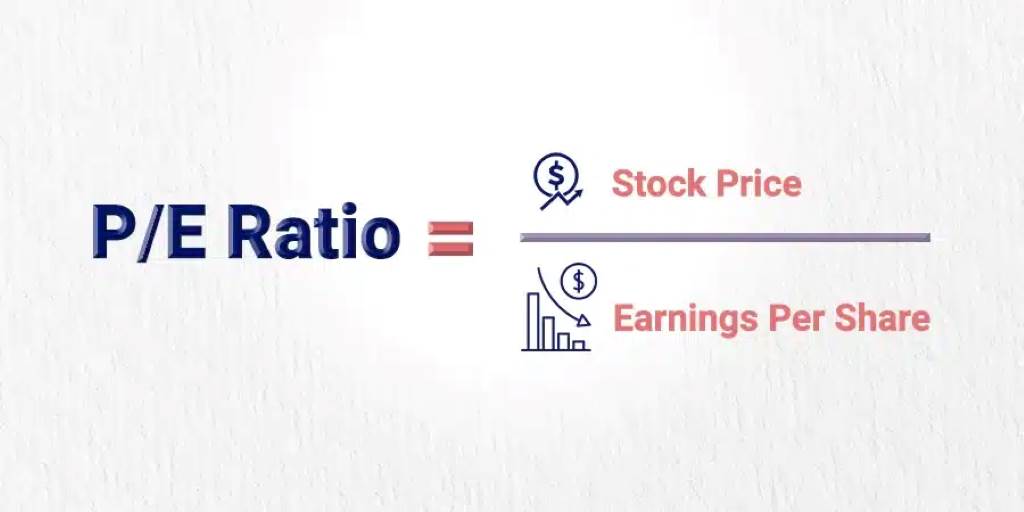
Many beginners avoid stock investing because financial terms sound confusing and technical. However, the P E ratio is much easier to understand than most people think. According to data from Gallup, nearly 62% of Americans own stocks in some form, yet many still struggle with basic valuation concepts. At the same time, research from FINRA shows that financial literacy remains low among retail investors. That is why learning how to understand P E ratio without jargon can help you make smarter investment choices with more confidence and less stress.
-
Global investing creates exciting opportunities for expat investors who want to grow wealth across multiple countries. However, currency fluctuations can quickly reduce profits when exchange rates move against an investment position. According to the Bank for International Settlements, global foreign exchange trading exceeds $7 trillion daily, which highlights how active and volatile currency markets remain. In addition, many international investors lose part of their returns because they ignore currency exposure during portfolio planning. That is why understanding how a global expat investor manages currency risk has become essential for protecting long term financial growth and preserving investment stability.
-
Global investing has become easier than ever for retail and institutional investors alike. In fact, ETFs now manage trillions of dollars worldwide, and international funds continue to attract strong investor interest every year. Many investors want global diversification, but they often struggle to track foreign ETF exposure across different regions and sectors. Therefore, understanding how to evaluate foreign ETF exposure in one place can improve portfolio clarity and long term decision making. This guide explains the process in a simple and practical way while helping investors reduce unnecessary risks and improve international portfolio performance.