When it comes to delivering impactful presentations, choosing the right portable projector screen is crucial for business success. Whether you are traveling for a client meeting or hosting a training session, a high-quality screen can make all the difference. But with so many options available, how do you choose the best portable projector screen for your needs? In this article, we will guide you through the process of selecting the perfect portable projector screen for business use. From foldable and lightweight screens to travel-friendly options, we will cover everything you need to know to make an informed decision. So, let’s…
-
-
Walk into any office early in the morning and you’ll notice something important before the employees even arrive: cleanliness. Clean floors affect air quality, employee comfort, and even the impression clients form within seconds of entering your workspace. But here’s the challenge many facility managers face. Regular household vacuums fail quickly when used in offices with constant foot traffic. They overheat, clog easily, and require frequent repairs. This leads to higher maintenance costs and inefficient cleaning routines.
-
Small business tax deductions are IRS-approved expenses you can subtract from your gross income to lower your taxable income. Every dollar you legitimately deduct saves you approximately 25 to 37 cents in taxes, depending on your tax bracket. Here’s the reality: The average small business owner overpays taxes by $5,000 to $10,000 annually simply because they don’t know what qualifies as deductible business expenses. The IRS allows hundreds of legitimate deductions, yet most business owners claim only the obvious ones like rent and utilities. This creates a significant problem. You’re working hard to grow your revenue, but you’re handing over…
-
Introduction Investing can seem intimidating, especially for beginners. With so many options and strategies, it’s easy to feel overwhelmed. However, one of the most straightforward and effective ways to invest is through index funds. Index funds offer a simple, low-cost way to diversify your portfolio and potentially achieve long-term financial goals. This comprehensive guide will provide a step-by-step approach to investing in index funds, complete with reviews of popular options and answers to frequently asked questions.
-
Investing in the stock market can be a powerful tool for building long-term wealth. But where do you start? And how can you minimize your tax burden while maximizing your returns? Two popular options for investors are Roth IRAs and Traditional IRAs. Both offer tax advantages and allow you to invest in a variety of assets, including stocks. However, they differ significantly in how they are taxed, which can have a major impact on your investment strategy and overall financial goals.
-
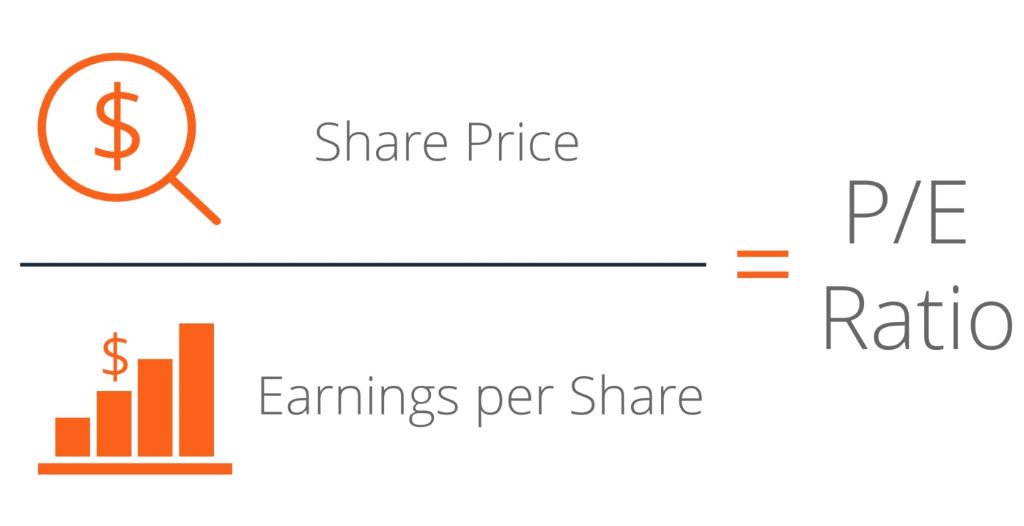
Investing in stocks feels like navigating a maze. The price-to-earnings (P/E) ratio serves as a trusty compass. It reveals how much investors pay for each dollar of a company’s earnings. A low P/E might signal a bargain, while a high P/E could hint at overvaluation or strong growth expectations. But here’s the kicker: what’s “good” depends on the sector. Comparing a tech stock’s P/E to a utility’s is like comparing a sports car to a tractor. Each sector has unique dynamics—growth potential, risks, and investor sentiment—that shape its P/E norms. Understanding these differences empowers investors to spot opportunities and avoid…
-
Investors and analysts use the price-to-earnings ratio, or P/E ratio, as a fundamental metric to evaluate the relative value of a company’s stock. It essentially tells you how much investors are willing to pay for each dollar of a company’s earnings. Understanding the P/E ratio can be a powerful tool in your investment arsenal, allowing you to make informed decisions about buying or selling stocks. In this comprehensive guide, we’ll delve deep into the intricacies of the P/E ratio, exploring its calculation, interpretation, limitations, and frequently asked questions.
-
The stock market can seem like a daunting and complex world, filled with confusing jargon and fluctuating numbers. But understanding how to read a stock chart can empower you to make informed investment decisions and potentially grow your wealth. This comprehensive guide will break down the basics of stock chart reading in a clear and easy-to-understand way, even if you have no prior experience.
-
The stock market can seem intimidating to small-business owners. With its fluctuating trends and complex terminology, it’s easy to shy away from it. However, understanding the basics of the stock market is crucial for any small-business owner looking to improve their financial strategy and secure the future of their company. This guide will break down stock market fundamentals in simple terms, allowing you to take advantage of investment opportunities and use the market to your advantage.
-
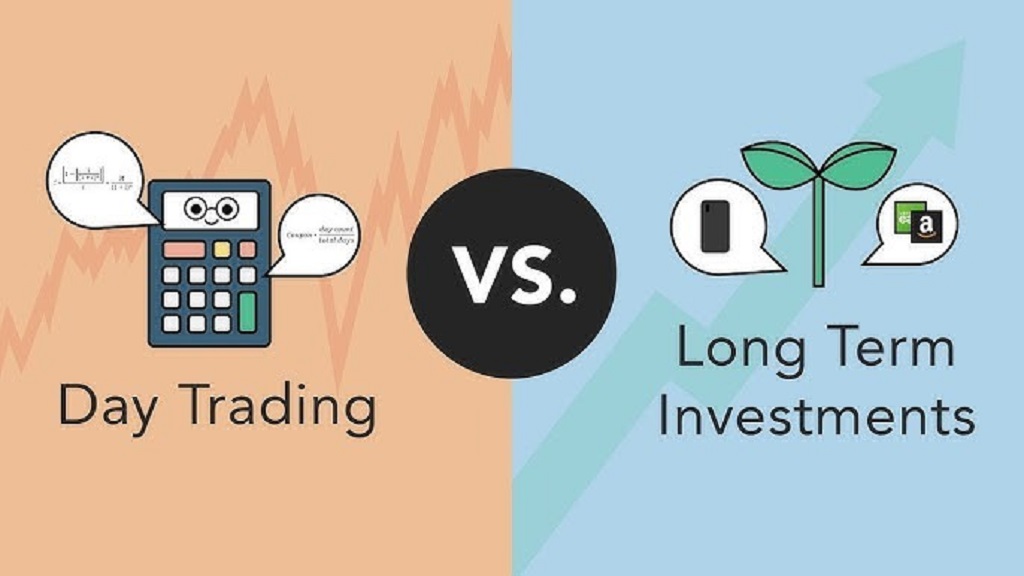
Introduction The world of investing can seem daunting for beginners, with a myriad of strategies and approaches vying for your attention. Two popular paths often stand out: day trading and long-term investing. Both offer the potential for financial gain, but they differ significantly in their methods, risks, and rewards. This comprehensive guide will delve into the intricacies of each approach, providing you with the knowledge to make informed decisions and embark on your investment journey with confidence.