
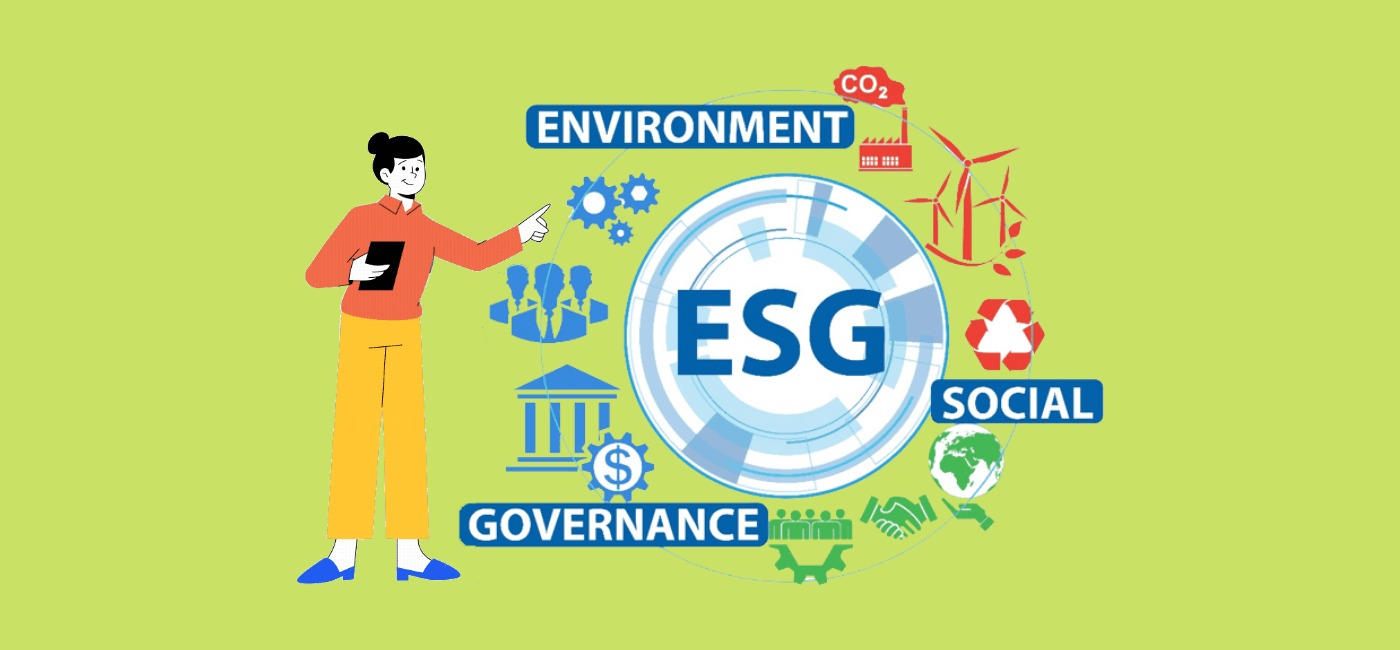
In an era of growing awareness about environmental, social, and governance (ESG) issues, impact investing has taken center stage. Impact investors seek to generate positive social and environmental impact alongside financial returns. To achieve this, they need robust tools to screen and evaluate potential investments based on ESG factors. This article explores the landscape of ESG investing tools portfolio screening ESG investing tools, providing detailed reviews and answering frequently asked questions to help impact investors make informed decisions.
Understanding ESG Investing and Portfolio Screening
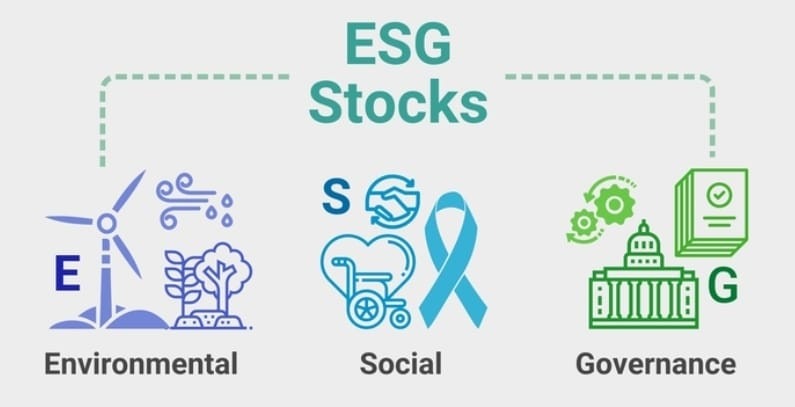
ESG investing, also known as sustainable investing, involves considering environmental, social, and governance factors alongside financial factors in the investment decision-making process. 1 This approach recognizes that companies with strong ESG performance are more likely to be sustainable and resilient in the long term.
Portfolio screening is a crucial step in ESG investing. It involves using specific criteria and tools to filter and select investments that align with an investor’s values and impact goals. ESG screening tools can help investors identify companies that are leaders in sustainability, manage ESG risks, and avoid companies that engage in harmful practices.
Key ESG Factors and Criteria
ESG screening tools typically assess companies based on a wide range of factors, including:
Environmental:
- Climate change: Greenhouse gas emissions, carbon footprint, renewable energy use, climate risk management
- Natural resource management: Water use, deforestation, biodiversity, waste management
- Pollution: Air pollution, water pollution, toxic emissions
Social:
- Labor standards: Fair wages, working conditions, employee health and safety, diversity and inclusion
- Human rights: Respect for human rights throughout the supply chain, including child labor and forced labor
- Community impact: Engagement with local communities, social investments, charitable contributions
Governance:
- Board diversity and independence: Representation of women and minorities on the board, independent directors
- Executive compensation: Alignment of executive pay with company performance and ESG goals
- Business ethics: Anti-corruption policies, transparency, accountability
Read More Also: Demystifying the Stock Market: A Beginner’s Guide to Investing
Types of ESG Screening Tools
ESG screening tools can be broadly categorized into:
- Data providers: These companies collect and analyze ESG data on publicly traded companies, providing ratings, scores, and rankings.
- Investment platforms: These platforms offer ESG screening tools as part of their investment management services, allowing investors to filter and select investments based on ESG criteria.
- Specialized software: These tools provide in-depth ESG analysis and reporting, often tailored to specific industries or investor needs.
Reviews of Popular ESG Investing Portfolio Screening Tools
-
MSCI ESG Ratings
MSCI is a leading provider of ESG research and ratings. Their ESG Ratings assess companies on a seven-point scale from AAA (leader) to CCC (laggard), based on their exposure to ESG risks and opportunities. MSCI also provides ESG indexes and data that can be used for portfolio screening.
Pros:
- Comprehensive coverage of over 8,500 companies globally
- In-depth analysis of ESG risks and opportunities
- Widely recognized and respected in the investment industry
Cons:
- Can be expensive for individual investors
- Data may not be as timely as some other providers
-
Sustainalytics
Sustainalytics is another major ESG research and ratings provider. They offer a range of ESG products and services, including ESG Risk Ratings, which assess companies’ exposure to material ESG risks. Sustainalytics also provides ESG data and analytics that can be used for portfolio screening.
Pros:
- Strong focus on materiality and financial impact of ESG issues
- Transparent methodology and clear explanations of ratings
- Offers a variety of ESG data and analytics tools
Cons:
- Coverage may not be as comprehensive as MSCI
- Can be expensive for individual investors
-
Bloomberg ESG Data
Bloomberg provides a comprehensive suite of ESG data and analytics tools, including ESG scores, ratings, and rankings. Their ESG data covers a wide range of topics, including climate change, human rights, and corporate governance. Bloomberg’s ESG data can be accessed through their terminal or API.
Pros:
- Extensive coverage of ESG data
- Integrated with other Bloomberg financial data and analytics
- Powerful tools for portfolio screening and analysis
Cons:
- Can be expensive for individual investors
- Requires access to a Bloomberg terminal or API
-
Refinitiv ESG Data
Refinitiv is a leading provider of financial data and analytics, including ESG data. Their ESG data covers a wide range of topics, including environmental impact, social impact, and governance. Refinitiv’s ESG data can be accessed through their Eikon platform or API.
Pros:
- Comprehensive coverage of ESG data
- Integrated with other Refinitiv financial data and analytics
- Powerful tools for portfolio screening and analysis
Cons:
- Can be expensive for individual investors
- Requires access to an Eikon platform or API
-
YourStake
YourStake is an investment platform that focuses on sustainable and impact investing. They offer a variety of ESG screening tools, including a customizable ESG screener that allows investors to filter investments based on their values and impact goals. YourStake also provides educational resources and impact reporting.
Pros:
- User-friendly platform with customizable ESG screening tools
- Focus on sustainable and impact investing
- Educational resources and impact reporting
Cons:
- Limited investment options compared to larger platforms
- May not be suitable for all investors
-
OpenInvest
OpenInvest is another investment platform that focuses on sustainable and impact investing. They offer a variety of ESG screening tools, including a values-based screener that allows investors to filter investments based on their personal values. OpenInvest also provides impact reporting and shareholder engagement tools.
Pros:
- User-friendly platform with values-based ESG screening tools
- Focus on sustainable and impact investing
- Impact reporting and shareholder engagement tools
Cons:
- Limited investment options compared to larger platforms
- May not be suitable for all investors
Choosing the Right ESG Screening Tool
The best ESG screening tool for you will depend on your individual needs and preferences. Consider the following factors when choosing a tool:
- Your investment goals and values: What are your impact goals? What issues are most important to you?
- Your investment strategy: Are you a passive or active investor? What asset classes are you interested in?
- Your budget: How much are you willing to spend on an ESG screening tool?
- Your level of expertise: How comfortable are you with using financial data and analytics tools?
Tips for Using ESG Screening Tools
- Start with your values: Identify the ESG issues that are most important to you and use the screening tool to filter investments based on those criteria.
- Consider the company’s overall ESG performance: Don’t just focus on one or two ESG factors. Look at the company’s overall ESG performance to get a holistic view.
- Use multiple sources of data: Don’t rely on just one ESG rating or score. Compare data from different providers to get a more complete picture.
- Engage with companies: Once you’ve identified potential investments, engage with the companies to learn more about their ESG practices and hold them accountable.
FAQ about ESG Investing Portfolio Screening Tools
-
What is the difference between ESG integration and ESG screening?
ESG integration involves considering ESG factors alongside financial factors in the investment analysis and decision-making process. ESG screening is a specific tool used to filter and select investments based on ESG criteria.
-
Are ESG screening tools accurate?
ESG screening tools can be helpful in identifying companies with strong ESG performance, but they are not perfect. ESG data can be subjective and there is no single standard for measuring ESG performance. It’s important to use multiple sources of data and do your own research before making investment decisions.
-
Can I use ESG screening tools for my existing portfolio?
Yes, you can use ESG screening tools to evaluate the ESG performance of your existing portfolio. This can help you identify areas where you can improve the sustainability of your investments.
-
How often should I screen my portfolio for ESG factors?
It’s a good idea to screen your portfolio for ESG factors at least once a year, or more frequently if there are significant changes in your investment goals or values.
-
What are the benefits of using ESG screening tools?
ESG screening tools can help you:
- Identify companies with strong ESG performance
- Manage ESG risks in your portfolio
- Avoid companies that engage in harmful practices
- Align your investments with your values
- Achieve your impact goals
Conclusion
ESG investing portfolio screening tools are essential for impact investors who want to align their investments with their values and achieve their impact goals. By carefully considering their needs and preferences, investors can choose the right tools to help them build a sustainable and impactful portfolio. Remember, ESG screening is just one piece of the puzzle. It’s important to conduct thorough research and engage with companies to ensure that your investments are truly making a positive impact.