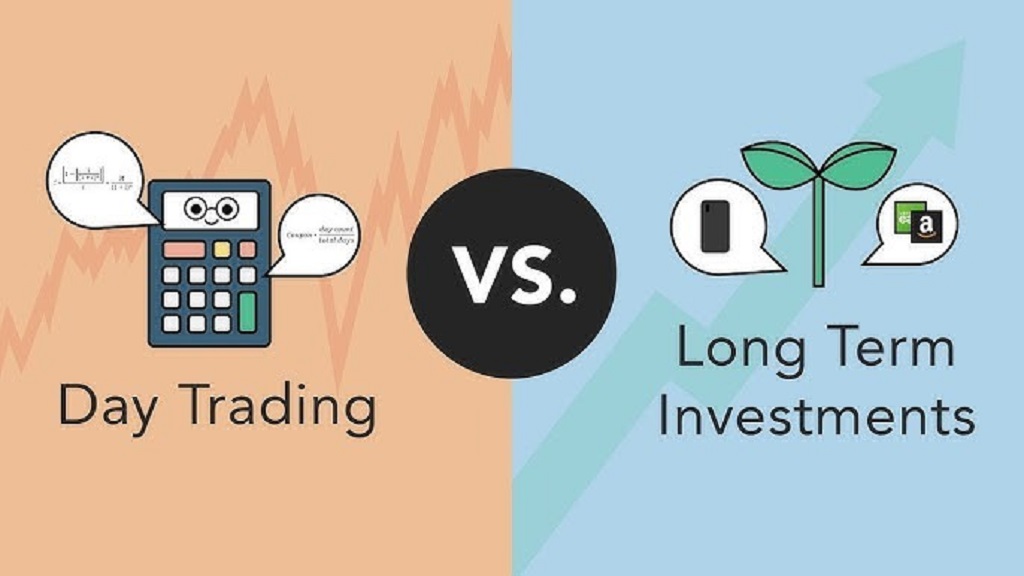

The stock market is a whirlwind of emotions, driven by a constant influx of information. Every news headline, earnings report, and influencer tweet can send ripples through the trading floor, causing stock price prediction to soar or plummet. But what if you could decipher the sentiment behind the news and predict its impact on stock prices?
This is where financial news sentiment analysis comes in, revolutionizing the way investors make decisions.
This in-depth guide explores financial news sentiment analysis, its impact on stock price prediction, and the tools that are harnessing its power. We’ll cover the intricacies of sentiment analysis, review leading tools in the market, and answer frequently asked questions to help you navigate this exciting frontier in investing.
Why News Sentiment Matters in Stock Market Prediction
Traditional vs. Sentiment-Based Market Prediction

Traditional stock market prediction relies on historical price data and technical indicators. While valuable, these methods often overlook market psychology. Investors are not always rational—fear, greed, and uncertainty influence decisions, leading to market volatility that defies conventional analysis.
How Sentiment Analysis Helps Investors
Sentiment analysis evaluates financial news, social media posts, and other financial sources to gauge overall market mood. This provides investors with critical insights to:
- Identify Emerging Trends – Spot optimism or pessimism surrounding a company before it affects stock prices.
- Anticipate Market Reactions – Predict how the market will react to earnings reports or product launches.
- Filter Out Noise – Focus on impactful news while ignoring irrelevant data.
How Financial News Sentiment Analysis Works
Sentiment analysis employs Natural Language Processing (NLP) and machine learning to analyze text and extract subjective information. Here’s how it works:
- Data Collection – Gathering financial news from news websites, blogs, social media, and financial databases.
- Text Preprocessing – Cleaning text by removing irrelevant characters and normalizing formatting.
- Sentiment Detection – Identifying sentiment as positive, negative, or neutral using sophisticated algorithms.
- Sentiment Scoring – Assigning a numerical score based on sentiment intensity.
- Analysis and Visualization – Aggregating sentiment scores to provide insights via charts and graphs.
Beyond Simple Sentiment: Advanced Techniques
Modern sentiment analysis delves deeper into human language nuances:
- Emotion Detection – Recognizing emotions like joy, fear, and anger for more granular insights.
- Aspect-Based Sentiment Analysis – Determining sentiment towards specific company aspects (e.g., products, management).
- Sarcasm & Irony Detection – Identifying discrepancies between literal and intended meanings.
Top Sentiment Analysis Tools for Investors
1. TipRanks
Best for: Investors seeking analyst sentiment insights.
- Aggregates analyst ratings and price targets.
- Provides news sentiment scores for stocks.
- Offers social media sentiment analysis.
2. Sentiment Trader
Best for: Active traders needing real-time sentiment analysis.
- Tracks real-time sentiment indicators.
- Offers historical data analysis and alerts.
- Includes backtesting capabilities.
3. AlphaSense
Best for: Institutional investors analyzing financial documents.
- Uses AI to analyze earnings calls, reports, and filings.
- Extracts key themes and trends.
- Offers customizable dashboards.
4. Social Market Analytics
Best for: Investors leveraging social media sentiment.
- Analyzes millions of social media posts.
- Tracks market influencers.
- Provides real-time sentiment scores.
5. Intrinio
Best for: Developers integrating sentiment data into trading models.
- Offers real-time and historical sentiment data.
- Provides API access for custom applications.
- Features extensive financial data options.
Read More Also: Demystifying the Stock Market: A Beginner’s Guide to Investing
Choosing the Right Sentiment Analysis Tool
Consider these factors when selecting a tool:
- Data Sources – Does it analyze news, social media, or both?
- Sentiment Accuracy – What NLP and machine learning techniques does it use?
- Functionality – Does it offer real-time data, historical analysis, and alerts?
- Ease of Use – Is the interface user-friendly?
- Pricing – Does it fit your budget?
- Integration – Can it be used with your existing financial tools?
Limitations of Sentiment Analysis
While powerful, sentiment analysis has limitations:
- Subjectivity – Sentiment is inherently subjective and can be misinterpreted.
- Context Matters – Negative news about a competitor could be positive for another stock.
- Market Manipulation – Social media sentiment can be influenced by bots and campaigns.
- Not a Standalone Tool – Should be used alongside fundamental and technical analysis.
The Future of Sentiment Analysis
AI and machine learning are enhancing sentiment analysis capabilities. Key advancements include:
- Deep Learning – More accurate sentiment recognition through advanced neural networks.
- Multimodal Analysis – Combining text, images, and videos for a holistic sentiment view.
- Predictive Models – Forecasting future sentiment trends for proactive investing.
Frequently Asked Questions
Is sentiment analysis accurate for stock prediction?
While not foolproof, it provides valuable market psychology insights when combined with other analysis methods.
Can sentiment analysis be used for all stocks?
It’s more effective for stocks with significant news coverage and social media presence.
How can I incorporate sentiment analysis into my strategy?
Use it to spot trends, predict reactions, and filter news noise alongside your existing investment approach.
Are there free sentiment analysis tools available?
Some platforms offer basic free features, while premium versions provide advanced capabilities.
Can sentiment analysis apply to other financial instruments?
Yes, it works for cryptocurrencies, forex, and commodities as well.
Embrace the Sentiment Revolution
Financial news sentiment analysis is transforming how investors understand the stock market. While not a magic bullet, it’s a powerful tool that enhances investment decision-making. By staying updated on advancements and selecting the right tools, you can harness the power of sentiment analysis to gain a competitive edge in investing.