

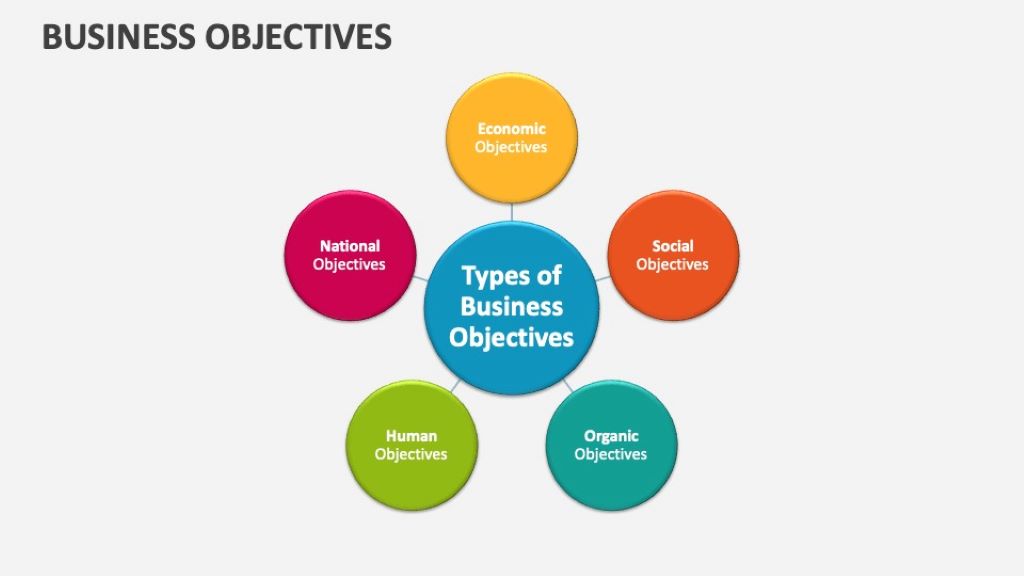
Every business, regardless of size or industry, needs clear objectives to succeed. Without them, companies drift aimlessly, wasting time, money, and resources. Well-defined business objectives align teams, improve efficiency, and drive revenue. But what types of business objectives should you set? Let’s explore the most important ones that can elevate your company’s success.
1. Financial Objectives: Maximizing Profitability and Sustainability
Money keeps businesses alive. Financial objectives ensure long-term stability and sustainable growth.
Key Examples:
- Increase revenue by 20% within a year.
- Reduce operational costs by 10% in six months.
- Boost profit margins by 5% in the next quarter.
Pros:
Provides clear metrics for success.
Helps secure investor confidence.
Ensures long-term financial health.
Cons:
Can lead to short-term decision-making.
Overemphasis on profits may affect employee morale.
Review: Financial objectives are essential for growth, but businesses must balance profitability with employee satisfaction and innovation.
2. Operational Objectives: Enhancing Efficiency and Productivity
Efficient operations lead to higher profitability and smoother workflows. These objectives focus on optimizing business processes.
Key Examples:
- Reduce production time by 15% in six months.
- Implement automation to improve efficiency by 25%.
- Achieve a 98% on-time delivery rate.
Pros:
Increases productivity and reduces waste.
Leads to faster turnaround times.
Improves customer satisfaction.
Cons:
Requires significant investment in technology.
Employees may resist operational changes.
Review: Businesses that prioritize operational efficiency gain a competitive edge, but change management is crucial to success.
3. Customer-Centric Objectives: Building Loyalty and Satisfaction
Customer satisfaction drives repeat business and brand reputation. Prioritizing customers fosters loyalty and long-term profitability.
Key Examples:
- Improve customer satisfaction scores by 30%.
- Increase customer retention rate to 85%.
- Reduce customer service response time to under 5 minutes.
Pros:
Enhances brand reputation.
Increases customer lifetime value.
Leads to positive word-of-mouth marketing.
Cons:
Requires significant investment in customer support.
High customer expectations may strain resources.
Review: Businesses focusing on customer satisfaction see long-term success, but balancing cost and service quality is crucial.
4. Growth and Expansion Objectives: Scaling the Business
Every company aims to expand, whether through market penetration, product diversification, or global expansion.
Key Examples:
- Expand into two new markets within a year.
- Increase market share by 10% in six months.
- Launch three new products by Q4.
Pros:
Opens new revenue streams.
Strengthens brand presence.
Attracts investors and talent.
Cons:
Expansion can strain finances.
Market saturation risks need careful planning.
Review: Business expansion leads to increased revenue but requires strategic risk assessment.
5. Innovation and Development Objectives: Staying Ahead of the Curve
Innovation keeps businesses competitive. Companies that fail to evolve risk obsolescence.
Key Examples:
- Invest 15% of revenue into research and development.
- Launch an industry-first feature within a year.
- Implement AI-driven automation by Q3.
Pros:
Differentiates businesses from competitors.
Creates new revenue opportunities.
Attracts forward-thinking customers.
Cons:
High research costs.
Risk of failure in untested markets.
Review: Innovation is critical for longevity, but companies must balance risk and reward.
5 FAQs About Business Objectives
1. Why are business objectives important?
They provide direction, improve efficiency, and help measure success.
2. How often should businesses update their objectives?
At least once a year, or whenever major changes occur.
3. What’s the difference between objectives and goals?
Goals are broad aspirations; objectives are specific, measurable actions.
4. How do you ensure objectives align with overall business strategy?
Regular reviews and key performance indicators (KPIs) ensure alignment.
5. Can small businesses benefit from setting objectives?
Absolutely! Clear objectives help small businesses grow sustainably.
Final Thoughts: Setting the Right Business Objectives for Growth
Business objectives drive long-term success. Whether financial, operational, customer-focused, growth-oriented, or innovation-driven, they shape a company’s trajectory. The key is balancing ambition with feasibility. By setting clear, measurable objectives, businesses can achieve sustainable growth and lasting success.
Read More: No Power, No Profit: How Power Outages Impact Business Growth