
Introduction
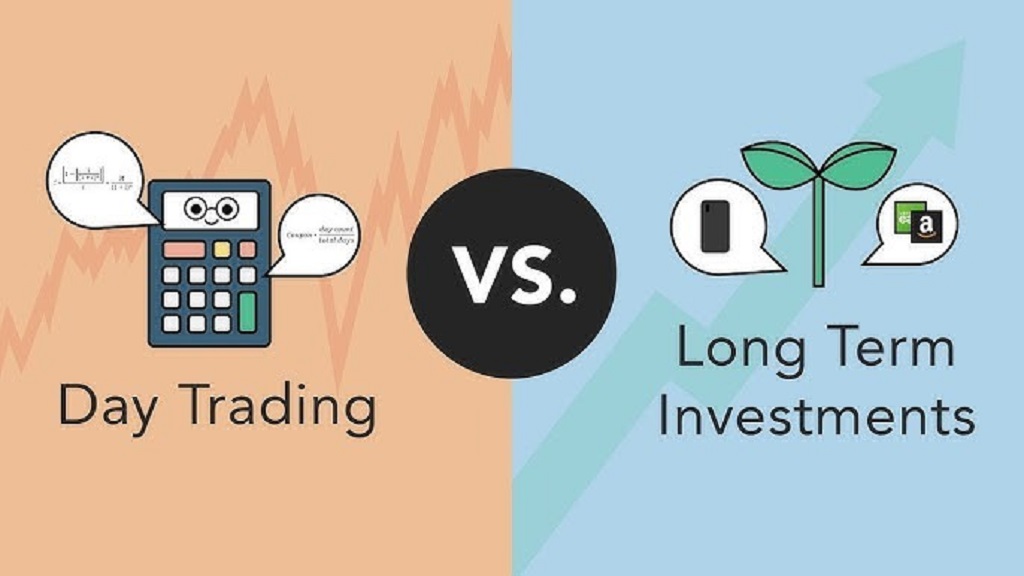
The world of investing can seem daunting for beginners, with a myriad of strategies and approaches vying for your attention. Two popular paths often stand out: day trading and long-term investing. Both offer the potential for financial gain, but they differ significantly in their methods, risks, and rewards. This comprehensive guide will delve into the intricacies of each approach, providing you with the knowledge to make informed decisions and embark on your investment journey with confidence.
Day Trading: Riding the Waves of Market Volatility
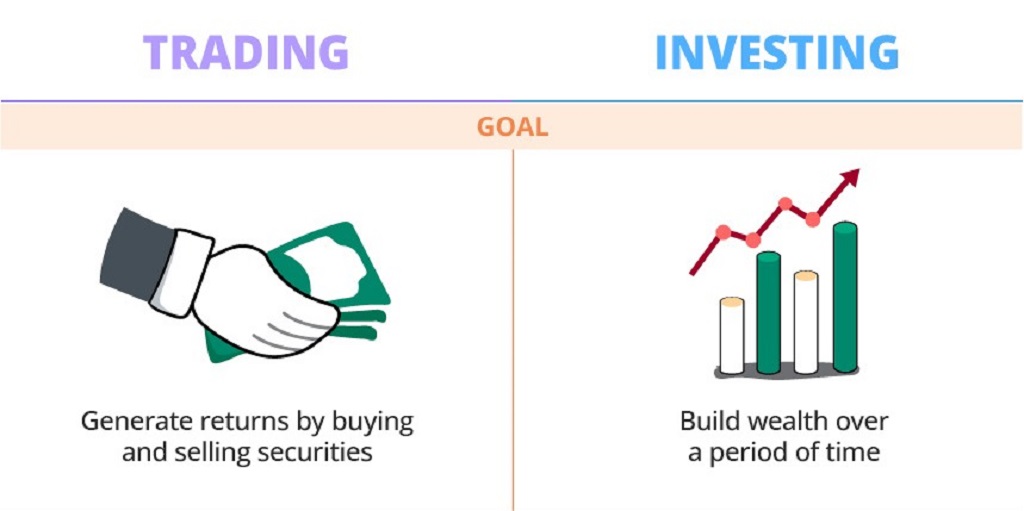
Day trading involves buying and selling financial instruments, such as stocks, within the same trading day. Day traders capitalize on short-term price fluctuations, aiming to profit from small, frequent gains. This fast-paced approach requires quick thinking, decisive action, and a keen understanding of market dynamics.
Pros of Day Trading:
- Potential for quick profits: Day trading offers the opportunity to capitalize on intraday price movements, potentially generating substantial returns in a short period.
- Flexibility and control: Day traders have the autonomy to choose their trading hours and strategies, adapting to market conditions and personal preferences.
- Continuous learning and skill development: Day trading demands constant analysis and adaptation, fostering a deep understanding of market mechanics and trading psychology.
Cons of Day Trading:
- High risk and volatility: Day trading involves significant risk, as short-term price fluctuations can be unpredictable and lead to substantial losses.
- Time commitment and stress: Day trading requires constant monitoring of the markets, demanding significant time and attention, which can lead to stress and burnout.
- Transaction costs and taxes: Frequent trading incurs transaction costs, such as brokerage fees and commissions, which can eat into profits. Short-term capital gains are also taxed at a higher rate than long-term gains.
Long-Term Investing: The Power of Compound Growth
Long-term investing involves holding investments for an extended period, typically years or even decades. Long-term investors focus on the fundamental value of assets, aiming to benefit from the long-term growth potential of the market. This patient approach emphasizes building a diversified portfolio and weathering short-term market fluctuations.
Pros of Long-Term Investing:
- Compound growth potential: Long-term investing allows your investments to grow exponentially over time, as your returns generate further returns.
- Reduced risk and volatility: Long-term investors are less exposed to short-term market fluctuations, as they focus on the overall trajectory of the market.
- Lower transaction costs and taxes: Holding investments for the long term minimizes transaction costs and allows you to benefit from lower tax rates on long-term capital gains.
- Simplicity and convenience: Long-term investing requires less active management and monitoring, allowing you to focus on other aspects of your life.
Cons of Long-Term Investing:
- Delayed gratification: Long-term investing requires patience, as it may take years to realize significant returns.
- Missed opportunities: Long-term investors may miss out on short-term gains due to their focus on the long-term horizon.
- Emotional detachment: Long-term investors need to remain emotionally detached from short-term market fluctuations, which can be challenging during periods of volatility.
Day Trading vs. Long-Term Investing: Which is Right for You?
The choice between day trading and long-term investing depends on your individual circumstances, risk tolerance, and financial goals. Consider the following factors when making your decision:
- Time commitment: Day trading requires significant time and attention, while long-term investing allows for a more passive approach.
- Risk tolerance: Day trading involves higher risk and volatility, while long-term investing offers a more stable approach.
- Financial goals: Day trading may be suitable for those seeking quick profits, while long-term investing is ideal for building long-term wealth.
- Personality and skills: Day trading requires quick thinking and decisiveness, while long-term investing demands patience and discipline.
Reviews:
- “Day trading is a thrilling but risky endeavor. It requires dedication, discipline, and a strong understanding of the markets. I’ve had both wins and losses, but the learning experience has been invaluable.” – John S., Day Trader
- “Long-term investing has been the cornerstone of my financial success. It’s allowed me to build wealth steadily over time, without the stress and anxiety of day trading.” – Sarah L., Long-Term Investor
Read More Also: How to Analyze Global Economic Trends: A Comprehensive Guide
FAQ:
-
Q: Can I day trade and invest long-term simultaneously?
- A: Yes, you can combine both approaches by allocating a portion of your capital to each strategy. This allows you to diversify your portfolio and potentially benefit from both short-term and long-term market opportunities.
-
Q: What are the best resources for learning about day trading and long-term investing?
- A: There are numerous resources available, including books, online courses, and financial websites. Reputable sources like Investopedia, Khan Academy, and The Motley Fool offer valuable information and educational materials.
-
Q: How much money do I need to start day trading or long-term investing?
- A: The amount of capital required varies depending on your investment goals and risk tolerance. It’s crucial to start with an amount you can afford to lose and gradually increase your investment as you gain experience and confidence. 1
-
Q: What are some common mistakes beginners make in day trading and long-term investing?
- A: Common mistakes include overtrading, emotional decision-making, lack of diversification, and chasing short-term gains. It’s essential to develop a sound investment strategy , manage your risk effectively, and stay informed about market trends.
Conclusion:
Day trading vs. long-term investing offer distinct paths to financial success. Day trading provides the potential for quick profits but demands significant time, skill, and risk tolerance. Long-term investing offers a more stable approach, allowing your investments to grow steadily over time through the power of compound growth. Ultimately, the best approach depends on your individual circumstances, financial goals, and investment style. By carefully considering the pros and cons of each strategy, you can make informed decisions and embark on a successful investment journey.