
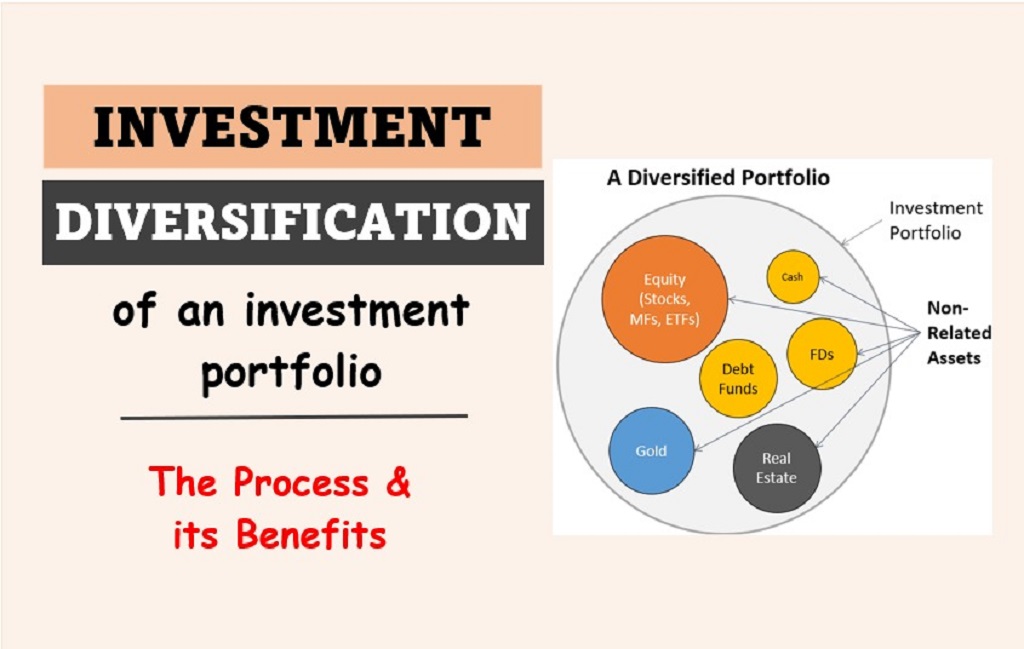
Real Estate Investment Trusts (REITs) have emerged as a powerful tool for investors seeking to diversify their portfolios and gain exposure to the real estate market without the burdens of direct property ownership. REITs offer a unique blend of potential benefits, including attractive dividend yields, long-term growth prospects, and portfolio diversification. In this comprehensive guide, we will explore the intricacies of investing in REITs, delve into various trading strategies, and provide valuable insights to help you make informed investment decisions.
Understanding REITs

REITs are companies that own, operate, or finance income-producing real estate assets. These assets can span various sectors, including office buildings, shopping malls, apartments, hotels, healthcare facilities, and data centers. REITs are required to distribute a significant portion of their taxable income to shareholders as dividends, making them an attractive option for income-seeking investors.
Benefits of Investing in REITs
- Diversification: REITs offer diversification benefits due to their low correlation with other asset classes, such as stocks and bonds. Adding REITs to a portfolio can potentially reduce overall portfolio volatility and enhance risk-adjusted returns.
- Income Generation: REITs are known for their attractive dividend yields, often exceeding those of traditional fixed-income securities. This steady income stream can be particularly appealing to investors seeking current income.
- Long-Term Growth Potential: REITs provide exposure to the long-term growth of the real estate market. As property values appreciate and rental income increases, REITs can generate capital appreciation for investors.
- Liquidity: REITs are traded on major stock exchanges, providing investors with liquidity and ease of buying and selling shares.
- Transparency and Regulation: REITs are subject to regulatory requirements that ensure transparency and investor protection.
Types of REITs
- Equity REITs: Equity REITs own and operate income-producing real estate assets. They generate revenue primarily through rental income.
- Mortgage REITs (mREITs): mREITs provide financing for real estate by purchasing or originating mortgages and mortgage-backed securities. They profit from the spread between the interest they earn on mortgage loans and the interest they pay on borrowed funds.
- Hybrid REITs: Hybrid REITs combine elements of both equity REITs and mREITs. They may own and operate properties while also engaging in mortgage financing activities.
REIT Sectors
- Residential: Residential REITs focus on apartment buildings and other multifamily properties.
- Retail: Retail REITs own and operate shopping malls, retail centers, and freestanding retail stores.
- Office: Office REITs invest in office buildings, ranging from single-tenant properties to large office complexes.
- Industrial: Industrial REITs own and operate warehouses, distribution centers, and other industrial facilities.
- Healthcare: Healthcare REITs invest in hospitals, medical office buildings, senior housing facilities, and other healthcare-related properties.
- Data Centers: Data center REITs own and operate data centers, which provide critical infrastructure for the digital economy.
- Infrastructure: Infrastructure REITs invest in infrastructure assets, such as cell towers, energy pipelines, and transportation infrastructure.
REIT Trading Strategies
- Buy and Hold: This strategy involves investing in high-quality REITs with a long-term investment horizon. Investors focus on REITs with strong fundamentals, attractive dividend yields, and the potential for long-term growth.
- Dividend Growth Investing: This strategy focuses on investing in REITs with a history of consistently increasing their dividends. Investors seek to benefit from both dividend income and potential capital appreciation.
- Value Investing: Value investors seek to identify undervalued REITs that are trading below their intrinsic value. They look for REITs with strong fundamentals but may be temporarily out of favor with the market.
- Growth Investing: Growth investors focus on REITs with high growth potential. They look for REITs in sectors with strong demand drivers and the potential for significant future growth.
- Sector Rotation: This strategy involves shifting investments between different REIT sectors based on economic cycles and industry trends. Investors may overweight sectors that are expected to outperform and underweight sectors that are expected to underperform.
- Income Investing: Income investors prioritize REITs with high dividend yields. They seek to generate a steady stream of income from their REIT investments.
Factors to Consider When Investing in REITs
- Property Type and Location: The type of property and its location are crucial factors to consider. Different property types have different risk and return profiles. Location also plays a significant role in determining the potential for rental income growth and property value appreciation.
- Management Quality: The quality of management is essential for the success of a REIT. Experienced and competent management teams can effectively manage properties, navigate market cycles, and create value for shareholders.
- Financial Health: Investors should assess the financial health of a REIT by analyzing its balance sheet, income statement, and cash flow statement. Key metrics to consider include debt levels, occupancy rates, rental income growth, and funds from operations (FFO).
- Valuation: REITs can be valued using various metrics, including price-to-FFO, price-to-net asset value (NAV), and dividend yield. Investors should compare the valuation of a REIT to its peers and historical averages to determine whether it is attractively priced.
- Market Conditions: Economic conditions, interest rates, and real estate market trends can significantly impact the performance of REITs. Investors should be aware of these factors and adjust their investment strategies accordingly.
REIT ETFs and Mutual Funds
Investors can gain exposure to REITs through exchange-traded funds (ETFs) and mutual funds. These funds offer diversification across a basket of REITs, providing investors with a convenient way to invest in the real estate market.
REITs in a Diversified Portfolio
REITs can play a valuable role in a diversified portfolio. They offer diversification benefits, income generation potential, and long-term growth prospects. The allocation to REITs in a portfolio will depend on an investor’s risk tolerance, investment goals, and overall portfolio strategy.
Conclusion
Investing in REITs can be a rewarding strategy for investors seeking to diversify their portfolios and gain exposure to the real estate market. By understanding the different types of REITs, trading strategies, and factors to consider, investors can make informed decisions and potentially enhance their investment returns. As with any investment, it is essential to conduct thorough research, assess your risk tolerance, and consult with a financial advisor before investing in REITs.
Read More:
Hedging Against Downside Risk with Options
How Power Outages Impact Business Growth